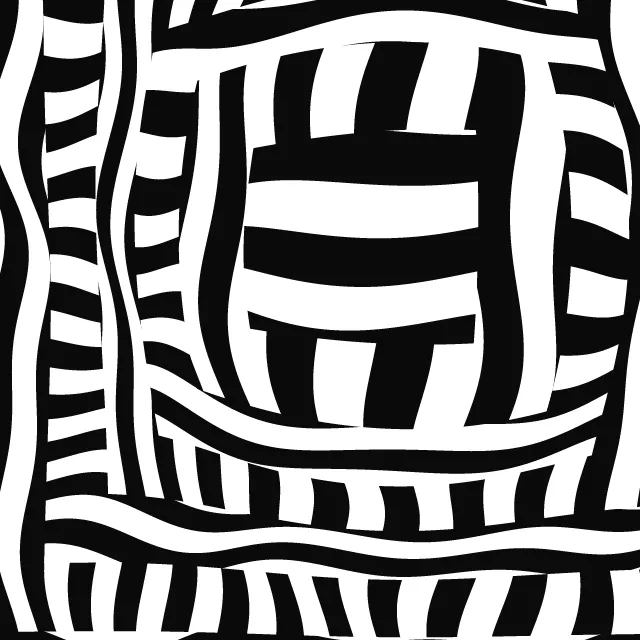
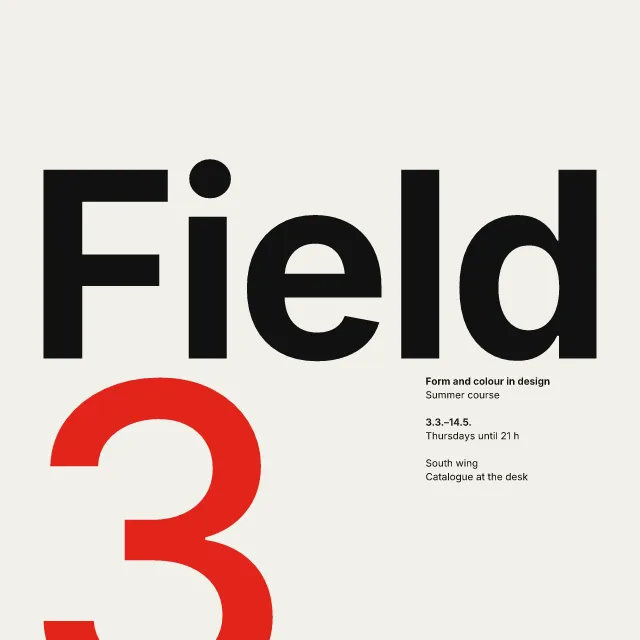
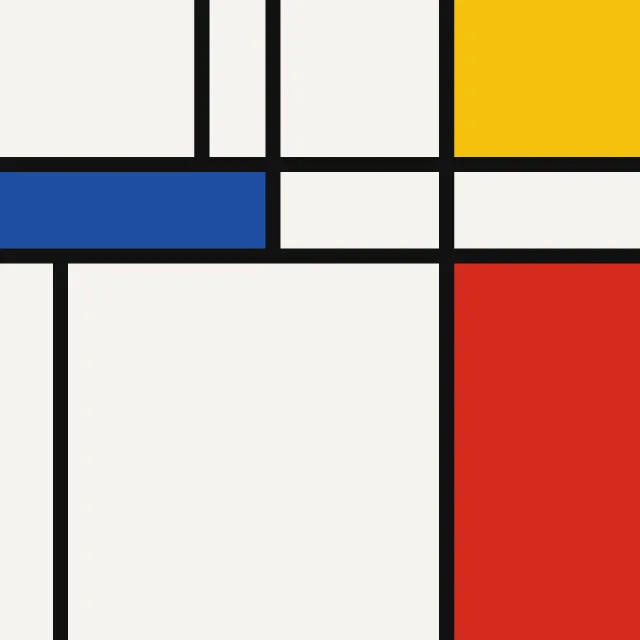
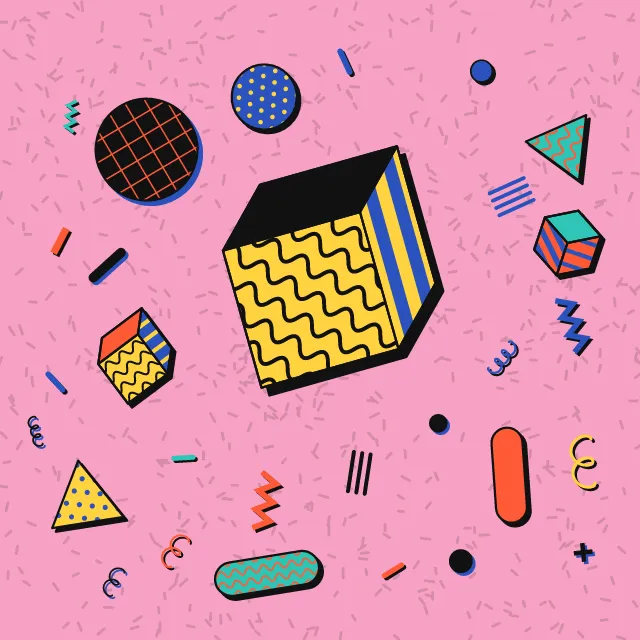
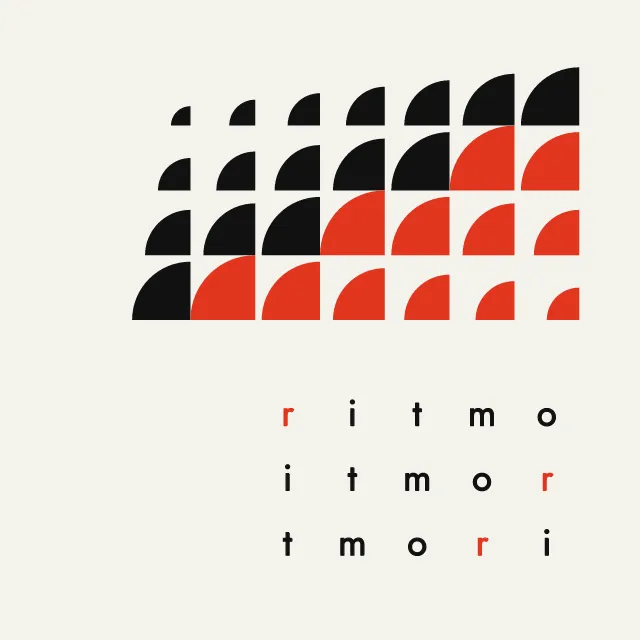
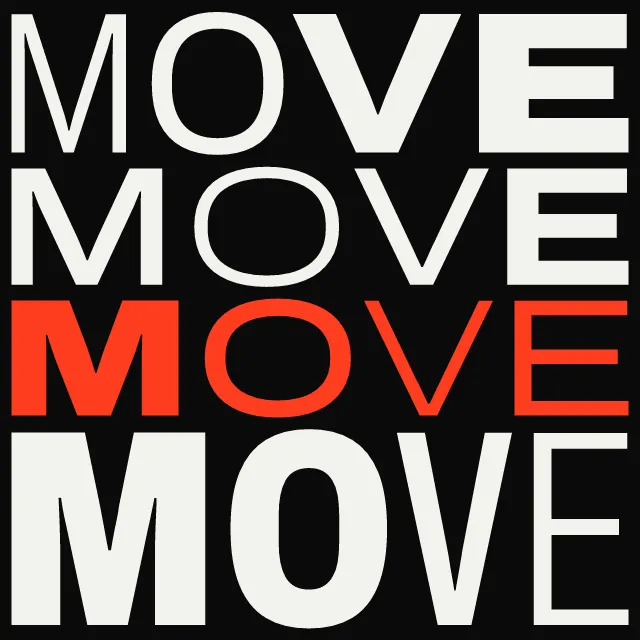
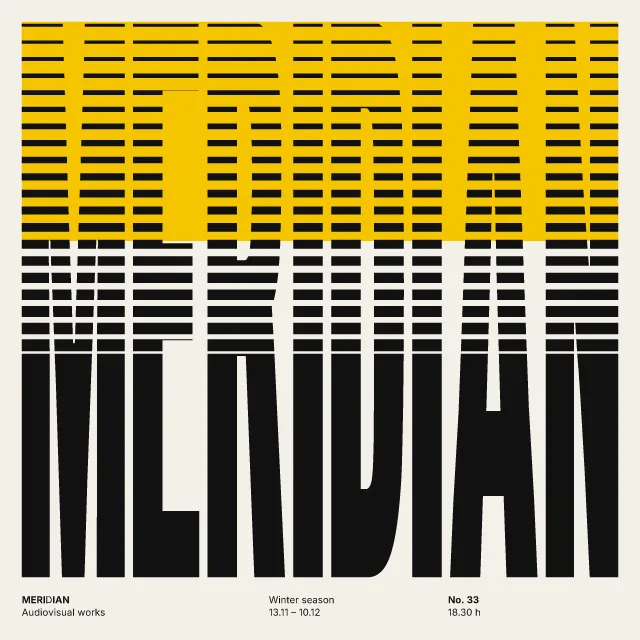
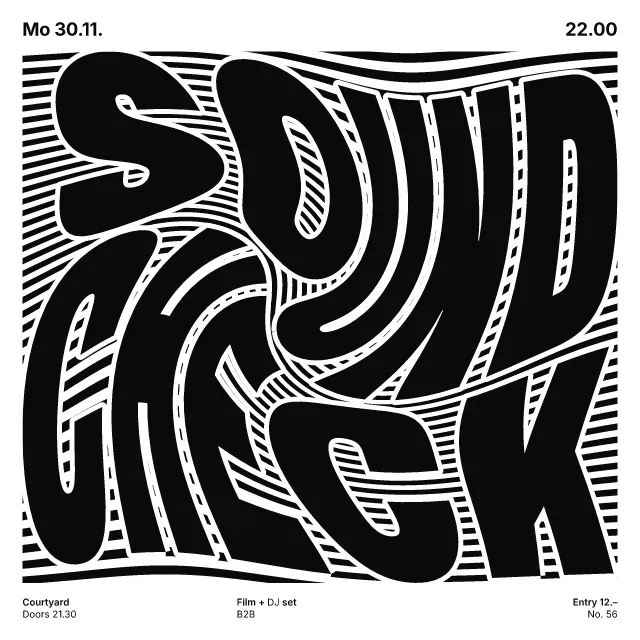
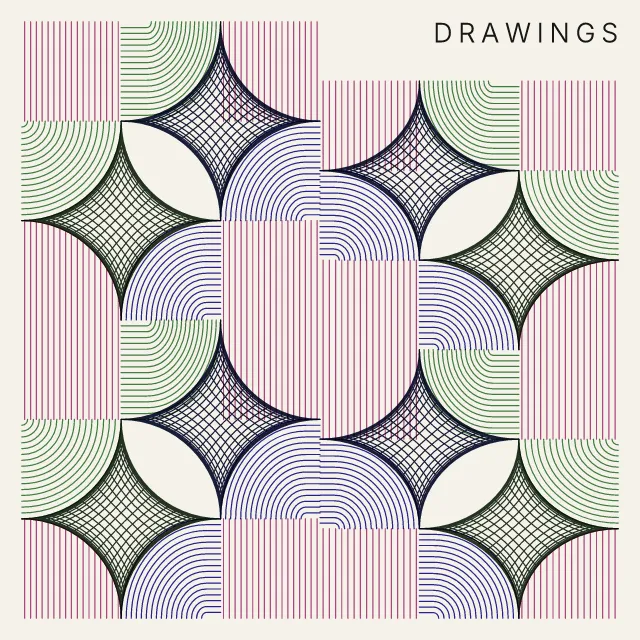
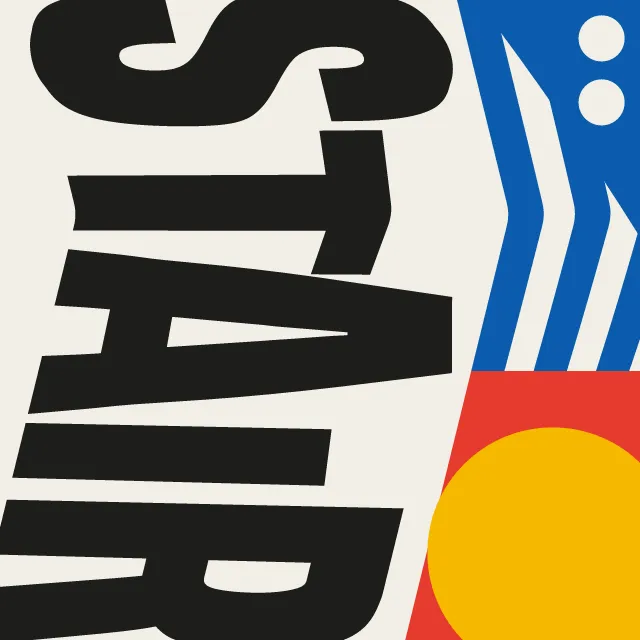
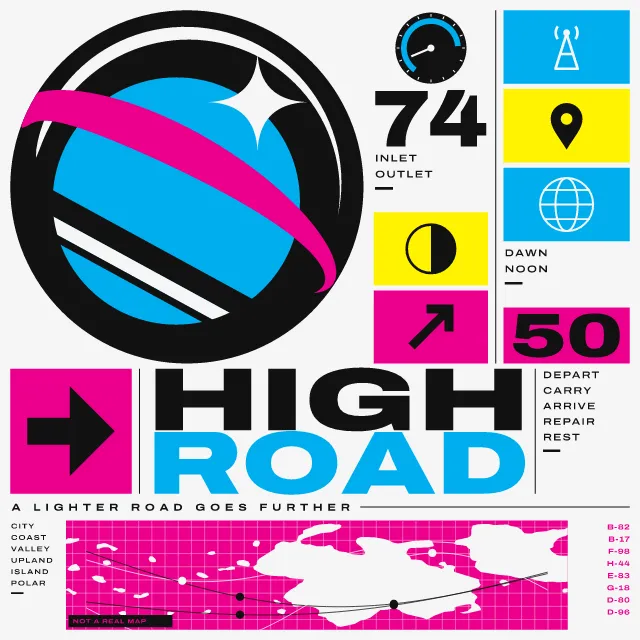
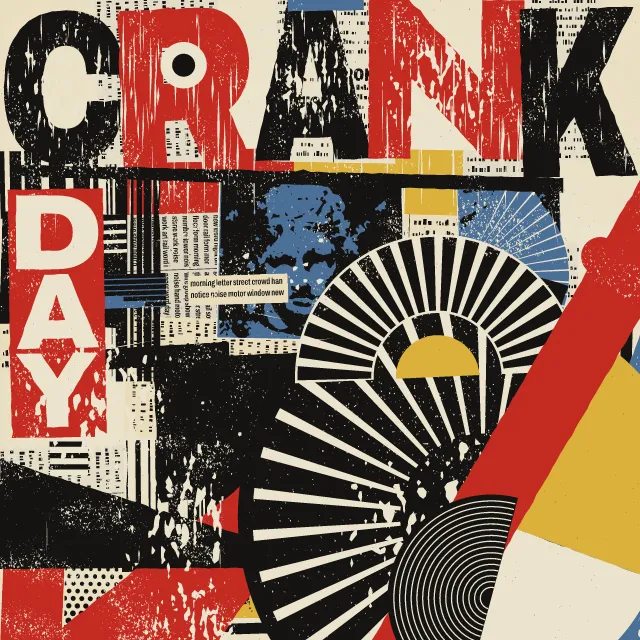
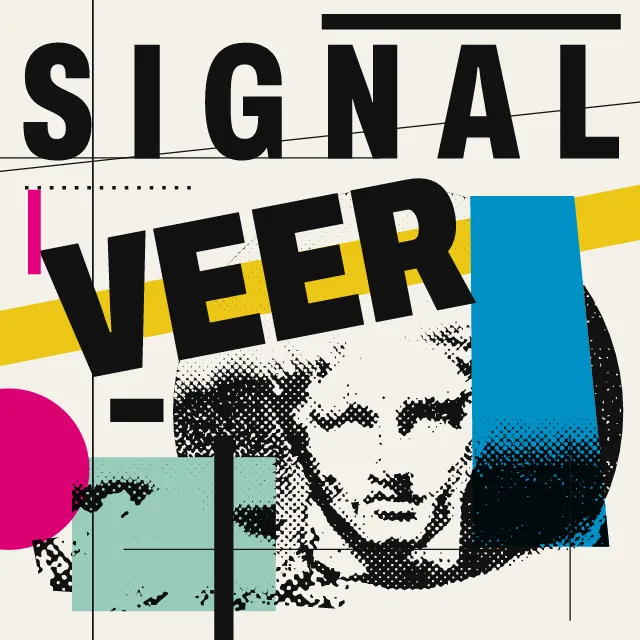

Type a name and a rule turns its letters into marks of dots, units, bars or rings, coloured by its vowels. Every variant differs, and all of them are one brand.
What makes it Generative identity
These are the design choices this generator makes or lets you set. Where a choice says “Measured”, Morphogeny changed that control alone, kept everything else, and measured the picture: a number that moves with the choice, not proof that the picture reads as the style.
- Circle, square and triangle as building blocks. “Rule family”: Circle units.
- Charts, maps, isotypes, technical drawings. “Rule family”: Dot sizes.
- Soft, cell-like, plant-like forms. “Rule family”: Joined dots.
- Soft corners, capsules and blobs. “Rule family”: Turned bars.
- Elements radiate from, or orbit around, a centre. “Rule family”: Ring segments.
- Fields defined by rows and columns; every element snaps to modules. “View”: Identity sheet. Measured on the opening picture: vertical alignment lines 29 with “Identity sheet”, 9 with “One mark” and 19 with “Pattern”.
- A single object or figure isolated on a plain ground. “View”: One mark. Measured on the opening picture: ground showing 82% with “One mark”, 76% with “Identity sheet” and 49% with “Pattern”.
- Repeating motifs as the image itself. “View”: Pattern.
- Two or three flat inks. “Colour logic”: Vowels in colour.
- A single hue, or black and white. “Colour logic”: One ink. Measured on the opening picture with “One ink”: hues besides black, white and grey 1.
- Code, parametric systems or machine-learning models. Always.
- Code-, algorithm- or AI-generated pictures. Always.
- Pure form with no depicted subject. Always.
- Repeated units create a visual cadence. Always.
- Neutral, rational sans: Akzidenz-Grotesk, Helvetica, Univers. Always.
- Unmodulated areas of colour. Always.
- Decoration rejected; form follows function. Always.
How this generator works
- The name is the input: each letter’s place in the alphabet sets a module on a grid, the vowels set the colours, and each variant moves only some of the letters, so the family shares one grid, one set of modules and one wordmark.
- It draws identity sheets: a header with the wordmark, the rule written out and a key of letters and modules, then numbered variants, each with its wordmark, on a quiet ground.
What it never does:
- No known identity: no coloured lines and beams on a grid, no faceted polyhedron or faceted letter, no sound-wave bars as a default, and no brand’s name or mark.
- No randomness without an input: the same name always gives the same family, and the variation number only chooses which members are shown.
- Animation eases each mark through the next few variants and back, in a wave across the page: its modules turn or grow (colours never change), or the parts that change break into square tiles of the mark that drift off, while the next variant’s tiles gather and land in place. The still is always the solid mark.
Every picture is a recipe: the variation number and the settings, kept in the page's address. Copy the link and the same picture comes back, in any browser. Random (or R) draws a new variation; ← and → step through them; S shuffles the settings; C borrows another style's colours.
About Generative & Dynamic Identities
A generative identity is a brand designed as a rule rather than as one fixed logo. Since the late 2000s designers have built identities that change with an input (the time of day, the weather, a sound, the content of a page) and still read as one brand, because a few things never change: a wordmark, a typeface, a grid, a way of using colour. The idea is older: in the 1960s some designers already wrote their work down as a programme of instructions rather than a finished drawing.
This generator makes the rule visible. The name you type is the input: each letter’s place in the alphabet (a = 1 … z = 26) sets one module on the grid, a disc, half-disc, quarter circle or leaf and its turn, a dot’s size, a bar’s angle or an arc’s length, and the vowels set the colours. Each of the family’s hundred variants moves only some of the letters; the others hold, with the grid, the modules and the wordmark, so the variants belong together. The same name always gives the same family, and the variation number chooses which members are shown.
Show the family as an identity sheet, with the rule and its key written out beside the wordmark, as one mark with its wordmark, or as a pattern tiled with variants. With animation on, each mark eases into the next few variants and back, or breaks up as it changes: the parts that differ crumble into square tiles that drift away downwind, and the next variant’s tiles gather from the other side and land in place.
Generative & Dynamic Identities: 2007–today. What the controls mean: Help.
Use it from code
The recipe below draws the picture this page opens with. Copy recipe gives you the one on screen. Agents can render recipes to SVG or PNG through Morphogeny's MCP server (morphogeny_render); the same recipe always gives the same SVG.
{
  "tool": "generative-identity",
  "v": 2,
  "seed": 1,
  "format": "portrait",
  "params": {
    "system": "units",
    "view": "sheet",
    "name": "sorvane",
    "grid": 4,
    "variation": 0.6,
    "count": 12,
    "colour": "letters",
    "movement": "turn"
  },
  "palette": "generative-identity"
}
Open this recipe: /generative-identity/#seed=1&v=2. A plain-text version of this page:/generative-identity.md.