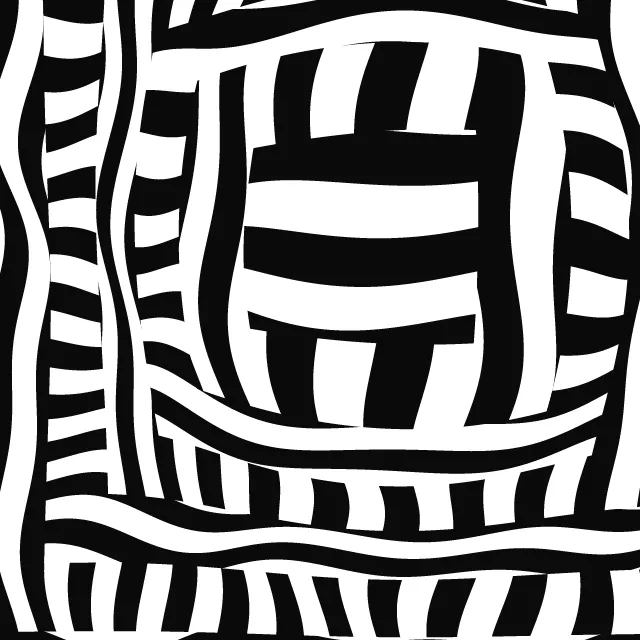
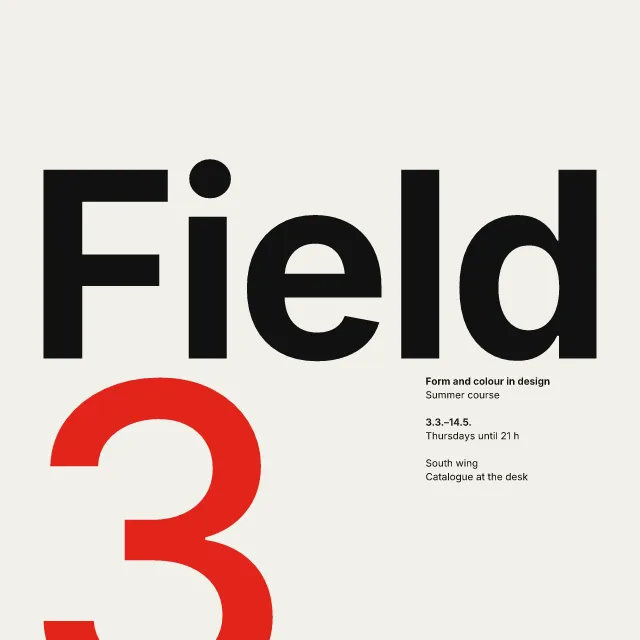
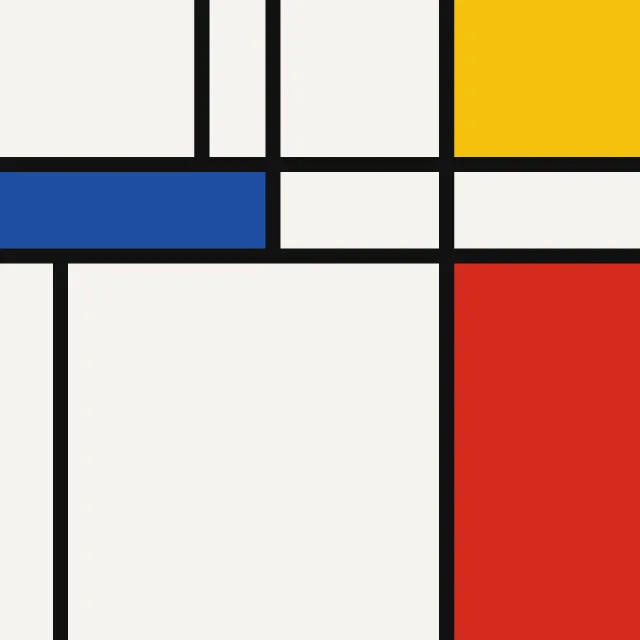
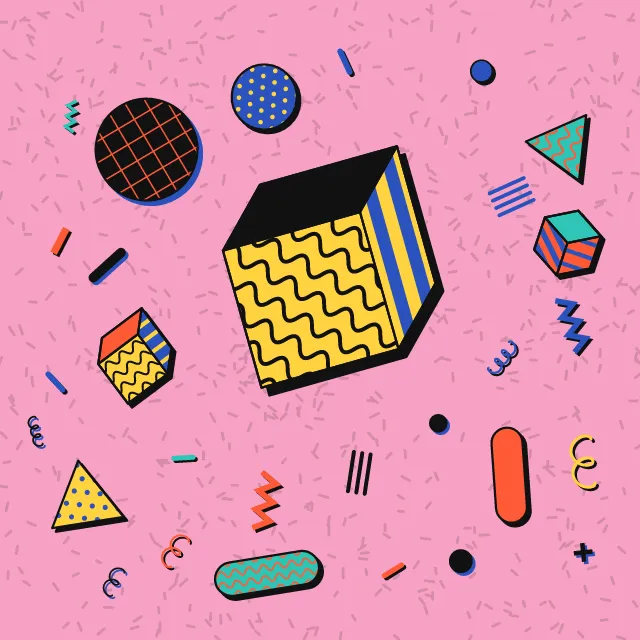
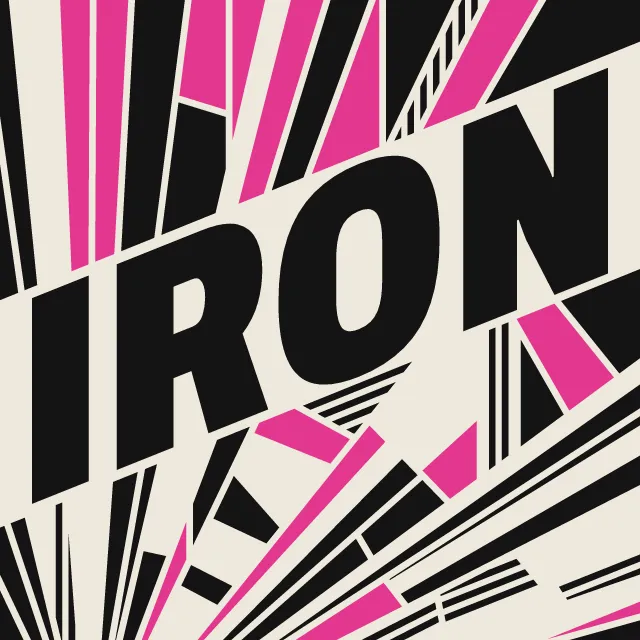
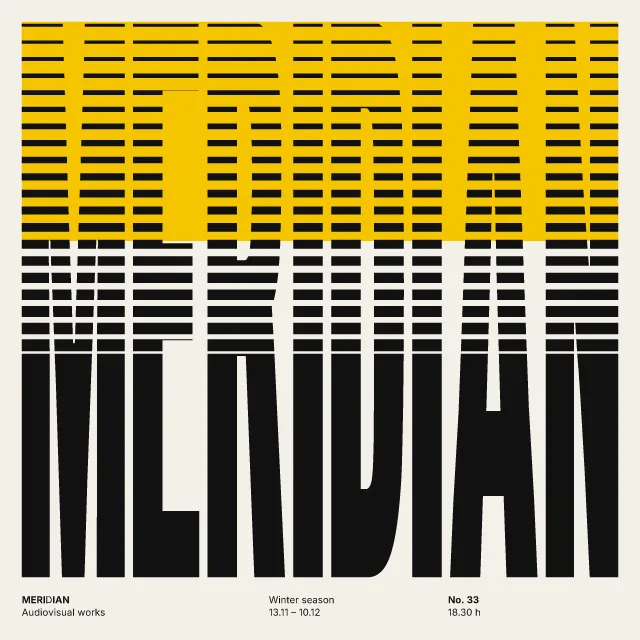
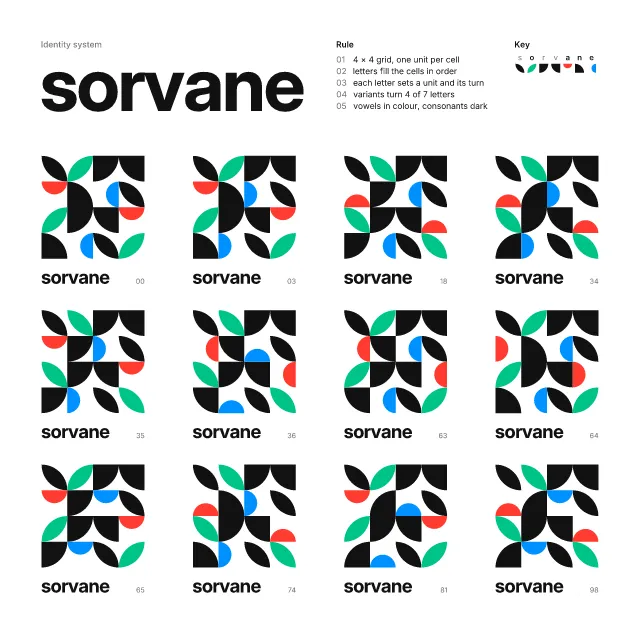
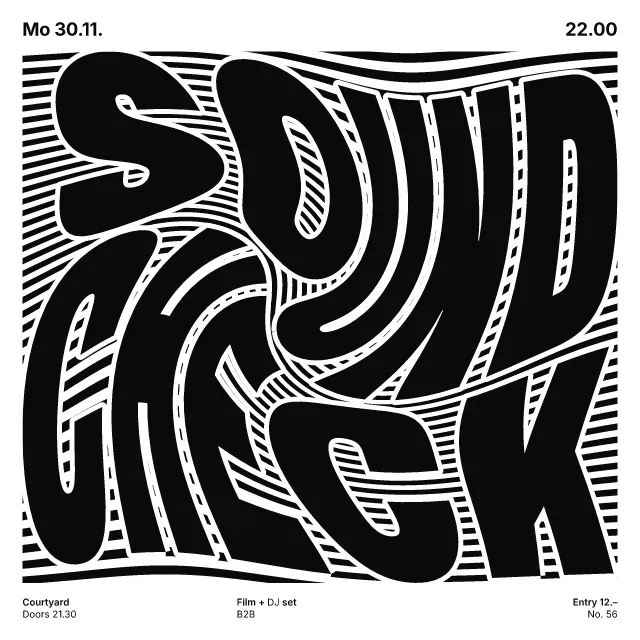
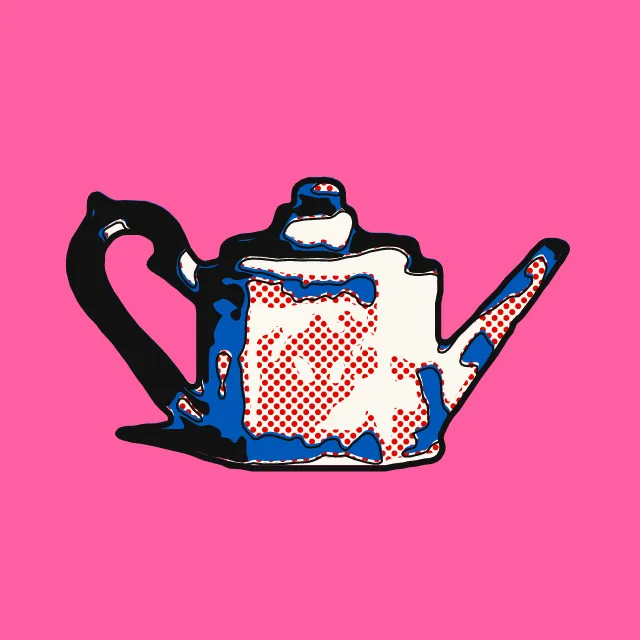
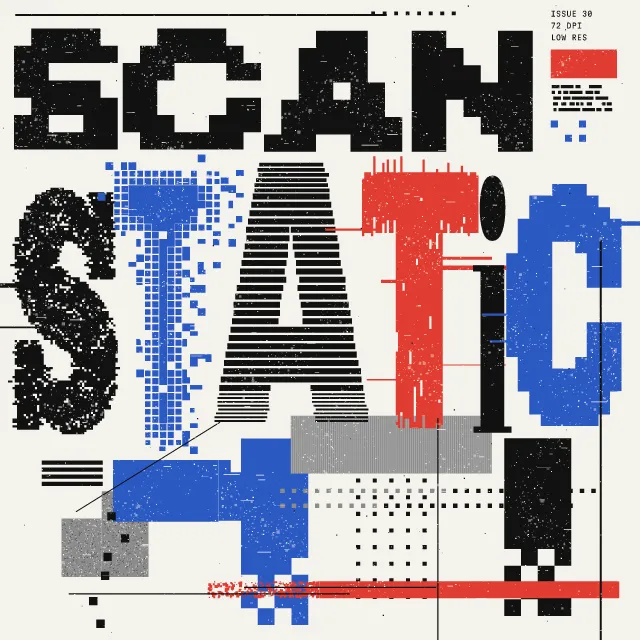
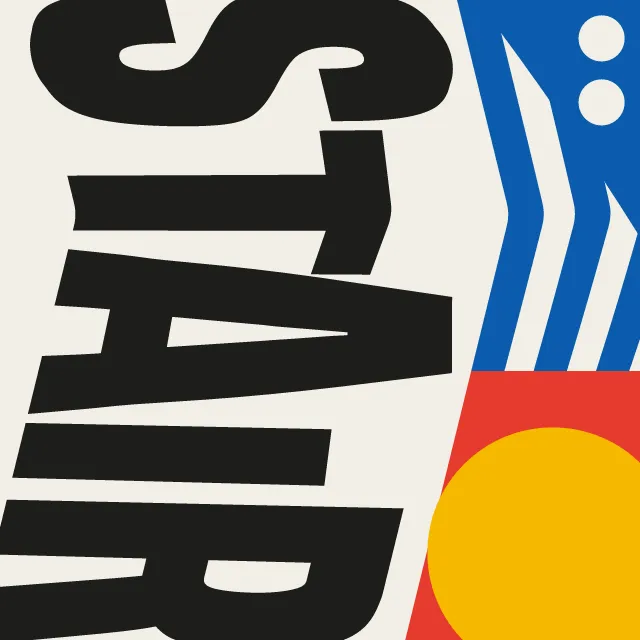
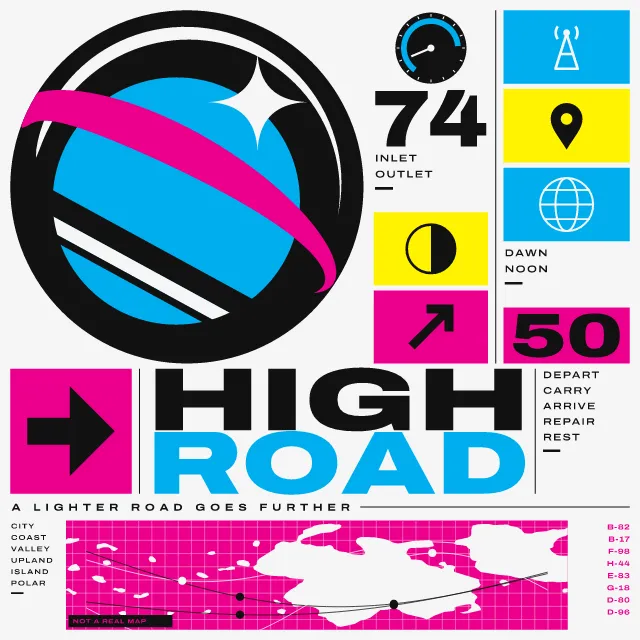
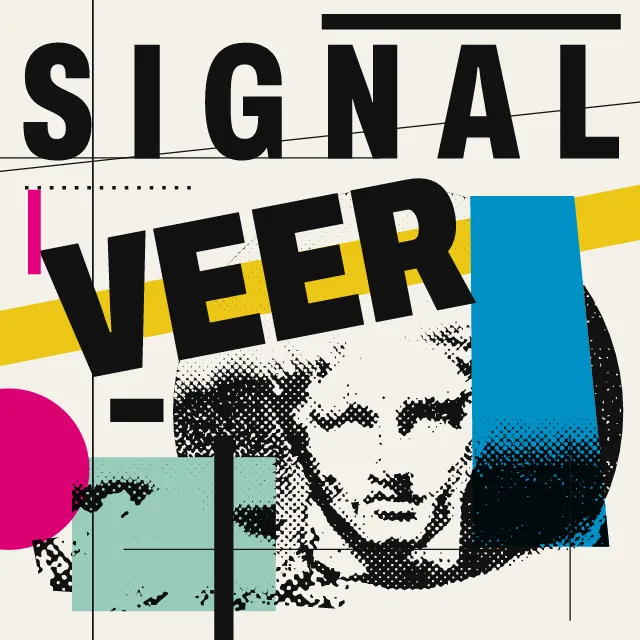
A dense collage print: one word in wood type, columns of newsprint, your photo thresholded and blotted, a figure of cut discs, and ink worn through to the paper.
What makes it Mavo
These are the design choices this generator makes or lets you set. Where a choice says “Measured”, Morphogeny changed that control alone, kept everything else, and measured the picture: a number that moves with the choice, not proof that the picture reads as the style.
- Cut and recombined photographs. Set by “Photomontage”.
- Every area is filled; abundant, crowded, layered. Set by “Horror vacui”. Measured on the opening picture, from 0 to 1: shapes 216 → 302.
- Clip art, stock, screenshots, appropriated ephemera. Set by “Found & vernacular imagery”.
- Two or three flat inks. Set by “Limited spot colours”.
- Overlapping fragments, cut-outs and stacked planes. Always.
- Deliberate instability: crowded edges, clashes, near-collisions. Always.
- Many typefaces and sizes combined in one composition. Always.
- Pure form with no depicted subject. Always.
- Woodcut, linocut or engraving marks. Always.
- Thick bars, lines and dots as structural accents. Always.
How this generator works
- One heavy word runs across the top in letters that are each their own block; below it near-upright scraps of newsprint, bars and the photo in one hard ink pack the sheet, and one mechanical figure of cut half-discs sits across them with a straight slash through it.
- Fine type sits right beside huge shapes, and the ink is worn through to the paper in flecks, grain and dry patches.
What it never does:
- No photo in greys or halftone: it is one hard threshold, blotted.
- No script it would have to invent: Latin letters only, and no reproduction of a known cover or page.
- No clean flat vector shapes without wear, unless the wear is turned down.
Every picture is a recipe: the variation number and the settings, kept in the page's address. Copy the link and the same picture comes back, in any browser. Random (or R) draws a new variation; ← and → step through them; S shuffles the settings; C borrows another style's colours.
About Mavo
Mavo was an anarchist avant-garde group in Tokyo in the 1920s. Its printed pages packed heavy hand-cut lettering, linocuts of abstract machine forms and real newspaper into one sheet, inside thick black and red rules, with nothing left calm. The look here is grown from pictures in that spirit, and uses Latin letters only.
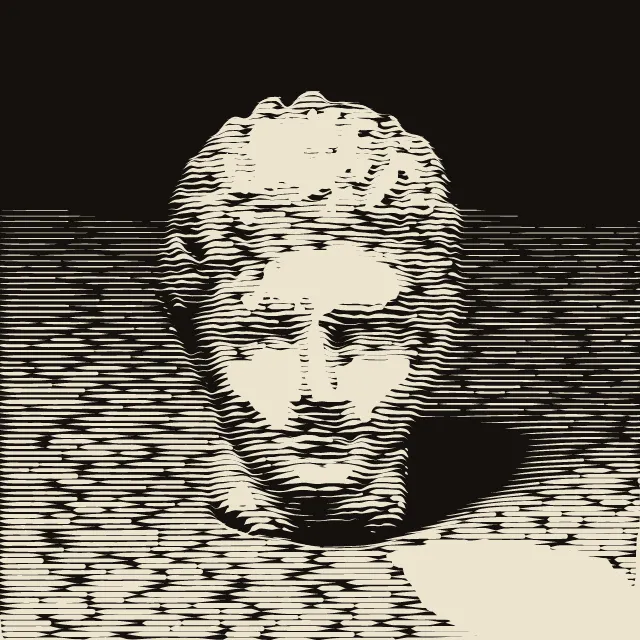
Each sheet sets one word as separate blocks across the top, then pastes near-upright scraps of newsprint and pattern below it. Your photo stays on your device. It appears on some of the scraps at one hard threshold, with blots of paper and pools of ink laid over, so it reads as ink first and as a photo second. You choose how much of the sheet it takes.
A figure of cut half-discs sits across the collage with a straight slash through it. In motion the discs turn on their axles in held steps, like a stop-motion print, and a few scraps shift a little, while the slash and the headline hold still. Real letters are kept for the scraps that can be read; the other columns are ticks that make the same grey at print size.
Mavo: 1923–1925. What the controls mean: Help.
Use it from code
The recipe below draws the picture this page opens with. Copy recipe gives you the one on screen. Agents can render recipes to SVG or PNG through Morphogeny's MCP server (morphogeny_render); the same recipe always gives the same SVG.
{
  "tool": "mavo",
  "v": 1,
  "seed": 8,
  "format": "portrait",
  "params": {
    "head": "PRINT",
    "stamp": "NEW",
    "share": "scraps",
    "density": 0.65,
    "news": 0.6,
    "figure": "any",
    "accent": "main",
    "wear": 0.65,
    "effect": "turn"
  },
  "palette": "mavo"
}
Open this recipe: /mavo/#seed=8&v=1. A plain-text version of this page:/mavo.md.