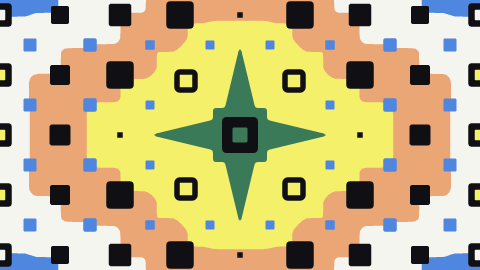
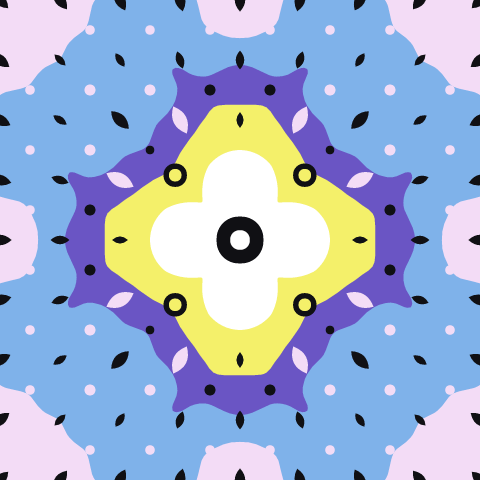
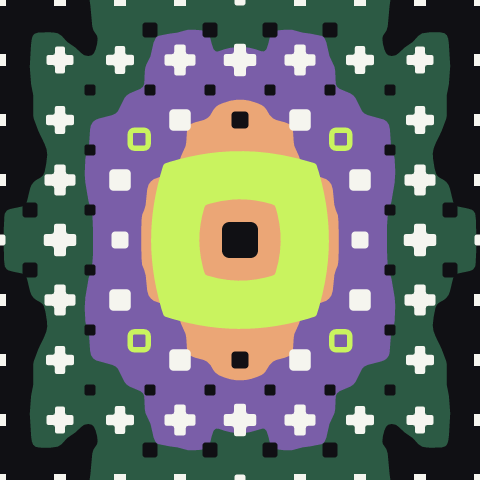
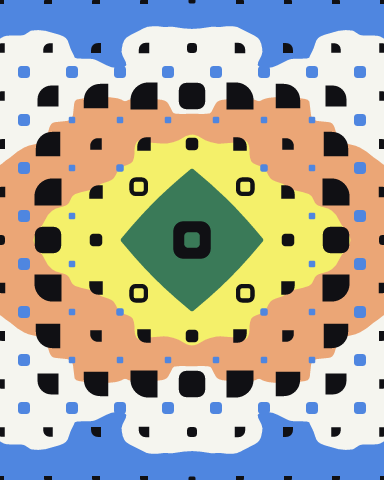
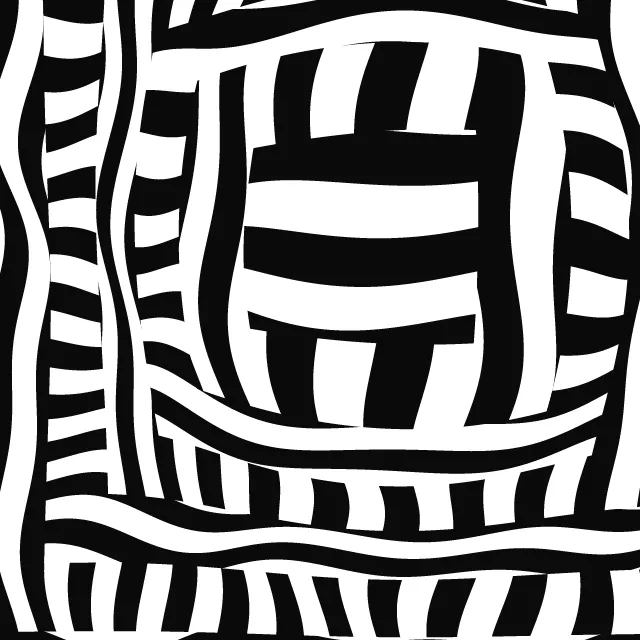
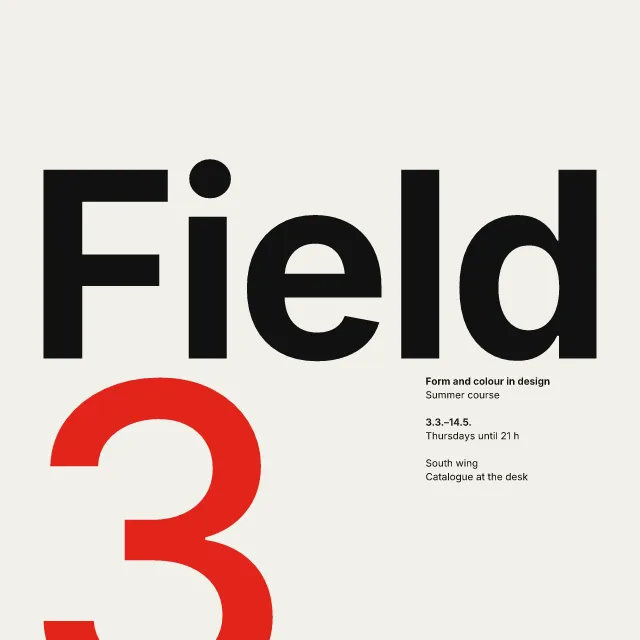
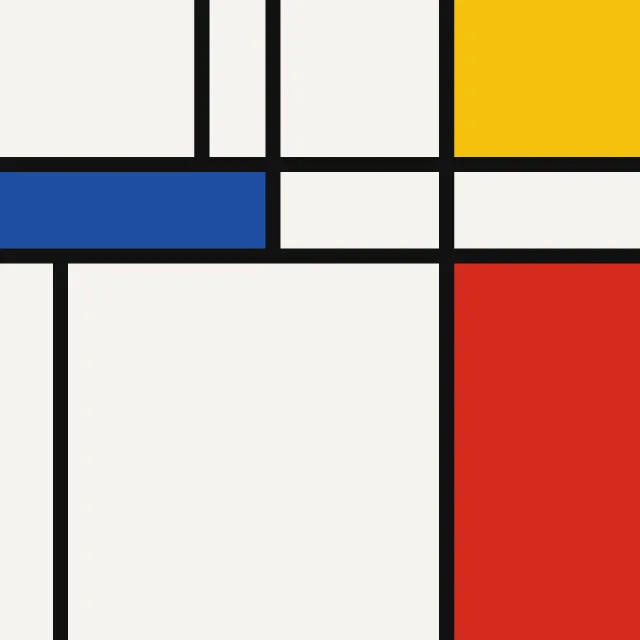
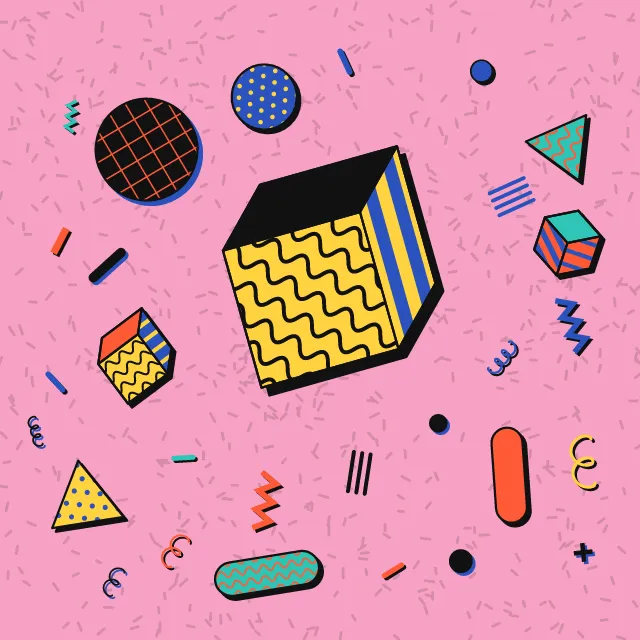
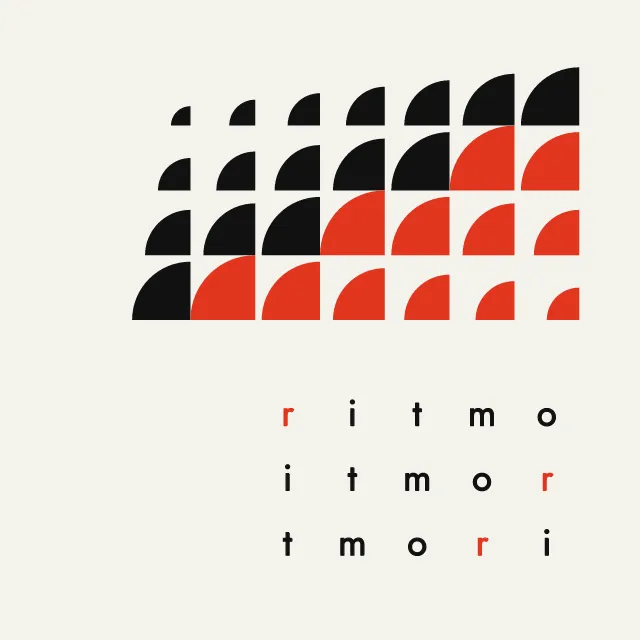
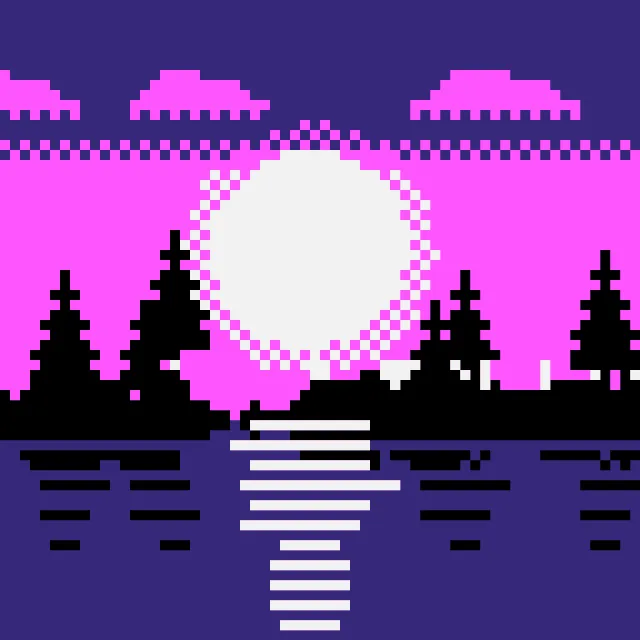
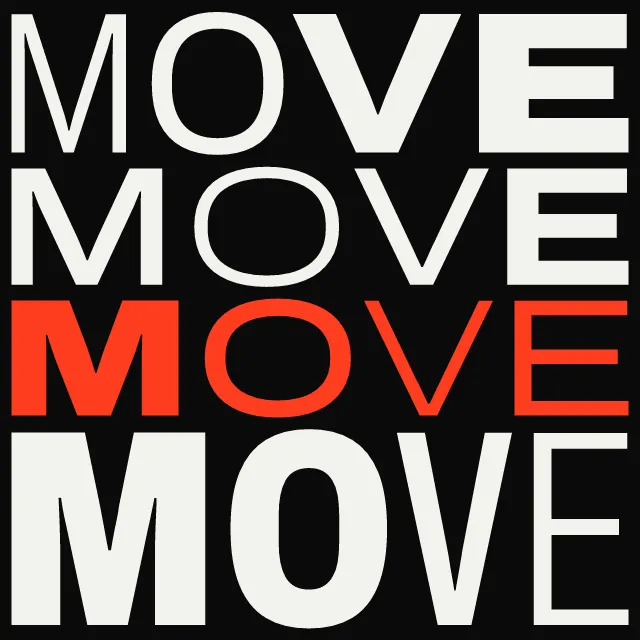
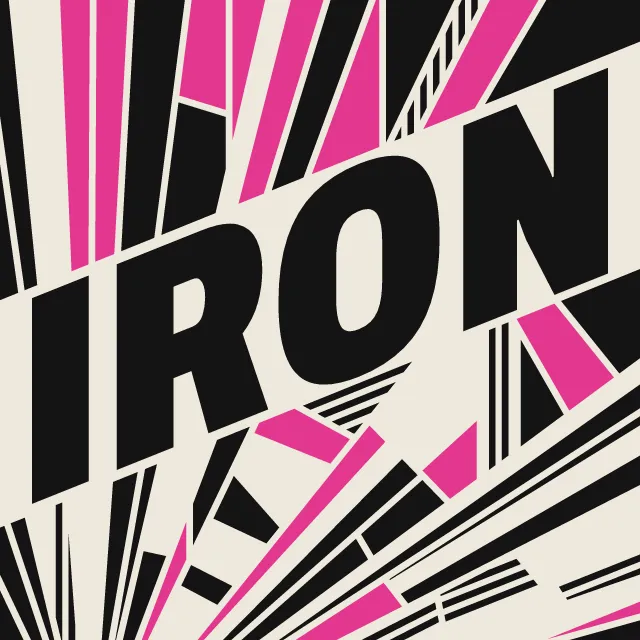
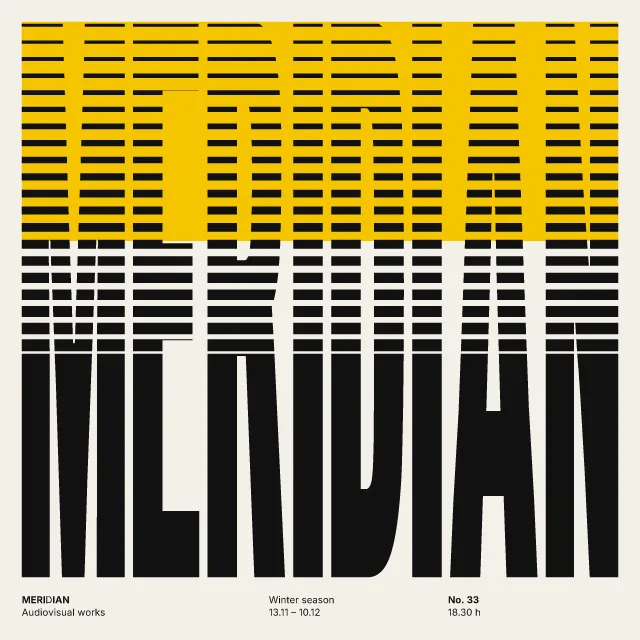
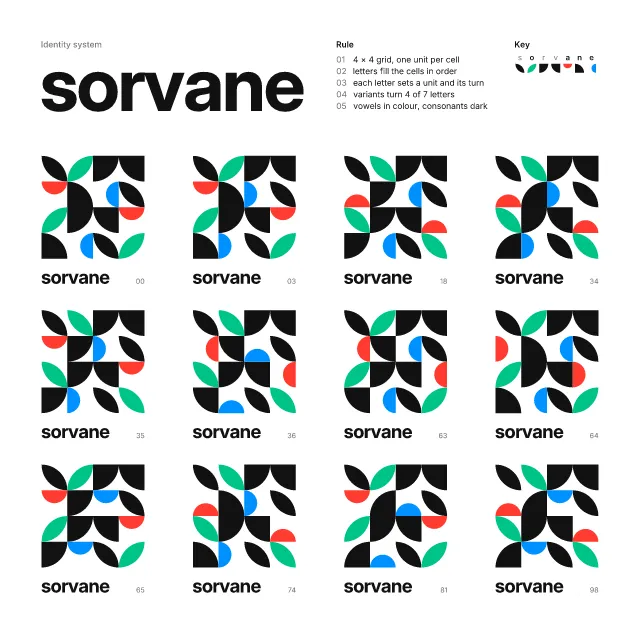
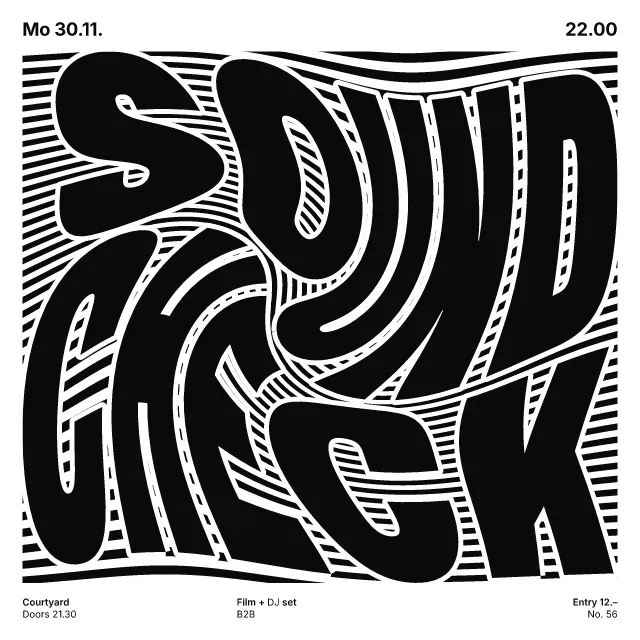

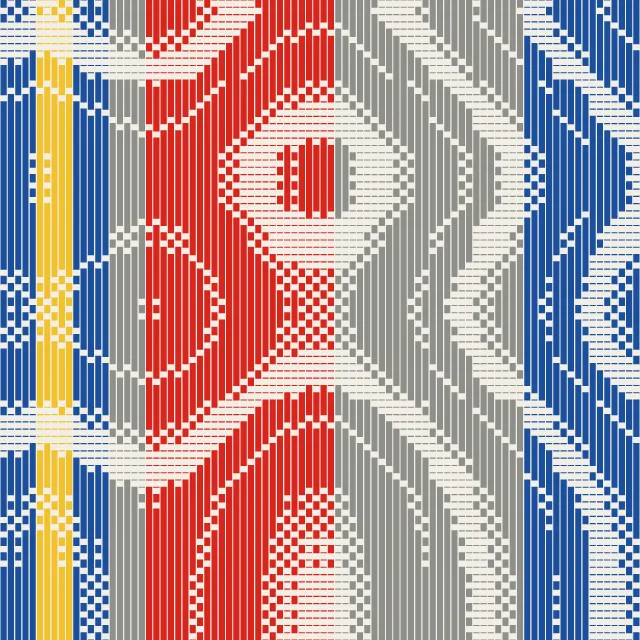
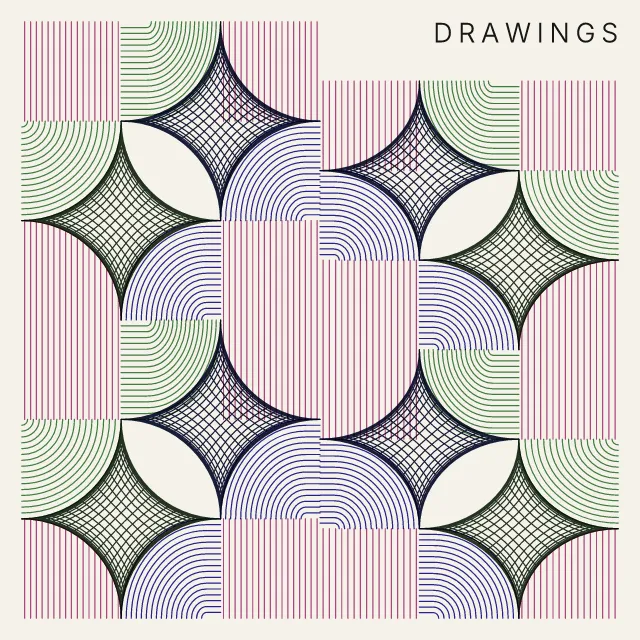
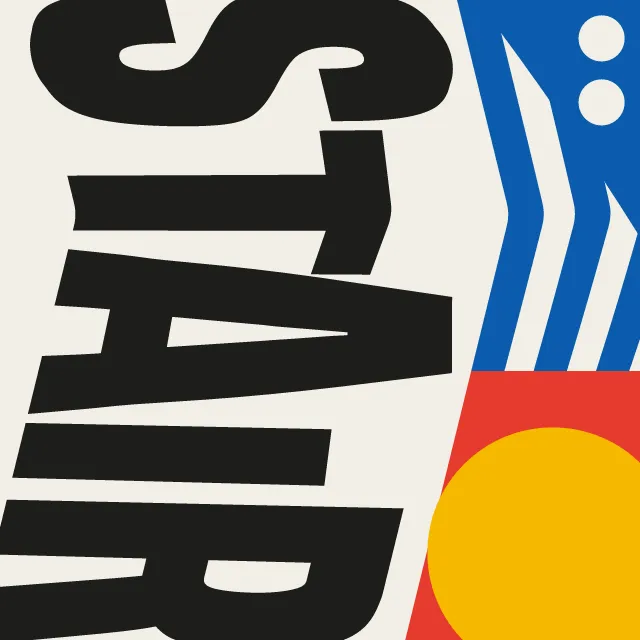
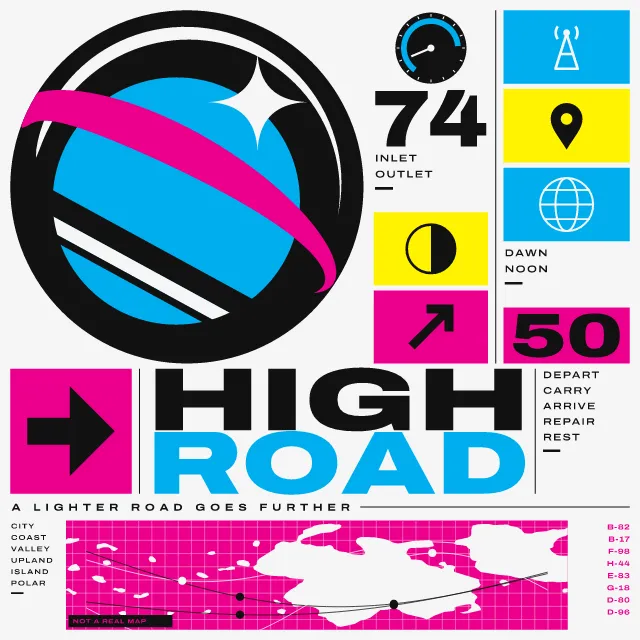
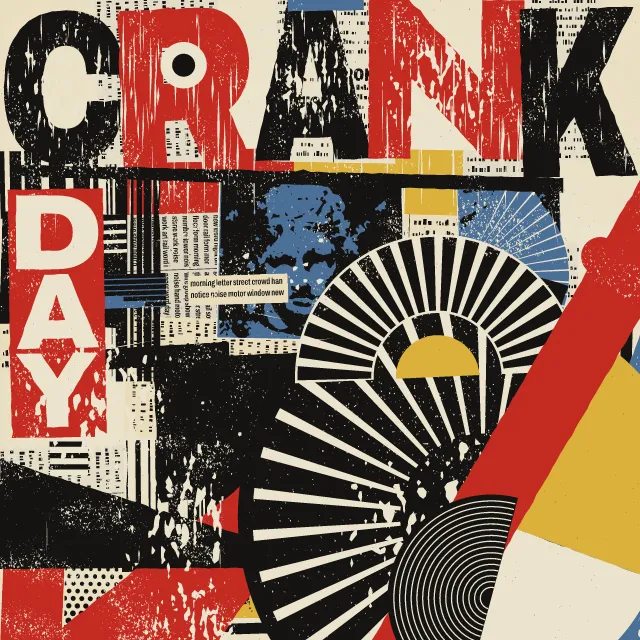
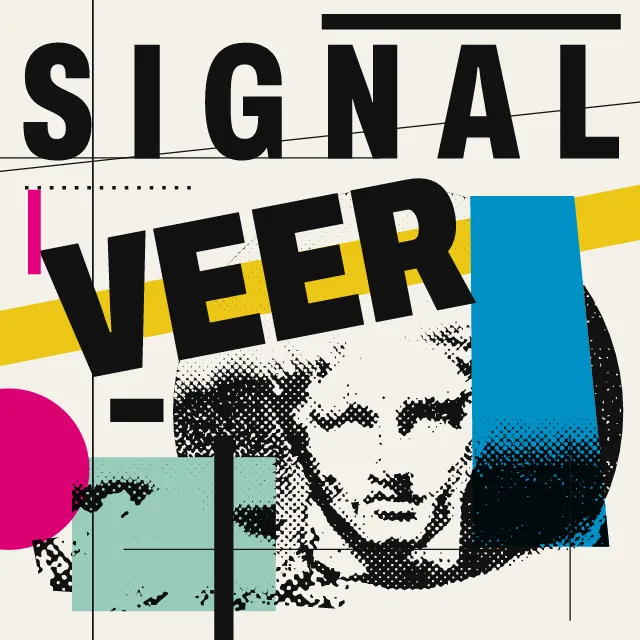
One field mirrored four or eight ways, cut into nested hulls, with a heart at its centre. One control takes it all from soft lobes to stepped blocks.
What makes it Mirror bloom
These are the design choices this generator makes or lets you set. Where a choice says “Measured”, Morphogeny changed that control alone, kept everything else, and measured the picture: a number that moves with the choice, not proof that the picture reads as the style.
- Soft corners, capsules and blobs. Set by “Block”.
- One unmistakable point of entry. Set by “Heart”.
- Very large against very small elements, for drama and order. Set by “Heart size”.
- Circle, square and triangle as building blocks. Set by “Basic shape”.
- Repeated units create a visual cadence. Set by “Repetition”. Measured on the opening picture, from 10 to 30: pixels on an edge 12% → 27%.
- Elements mirrored around a central axis; formal and stable. Set by “Symmetry”.
- Image or colour runs off every edge; no protective margins. Always.
- Repeating motifs as the image itself. Always.
- Unmodulated areas of colour. Always.
- No simulated depth or texture. Always.
- Code, parametric systems or machine-learning models. Always.
How this generator works
- One field mirrored four or eight ways and cut into nested hulls, with a designed heart and modules on a loose lattice whose sizes follow a rhythm by ring.
- One control takes everything from soft lobes and round forms to stepped hulls and crisp forms: the field is blended with its value at the nearest cell centre.
What it never does:
- No star-and-polygon tiling, rug or tile tradition, and no sacred diagram: the symmetry comes from a field, not from an inherited pattern.
- No photograph and no gradient: only flat colour.
Every picture is a recipe: the variation number and the settings, kept in the page's address. Copy the link and the same picture comes back, in any browser. Random (or R) draws a new variation; ← and → step through them; S shuffles the settings; C borrows another style's colours.
About Generative & Dynamic Identities
Studios that make identities in motion have come to treat a pattern less as a picture than as a small system: one rule, a few parameters and a set of shapes, which can grow, change colour and hold together from one frame to the next. This generator belongs to that way of working, with a field in place of a drawing.
A field is a value at every point, and here it is mirrored four ways or eight. Cutting it at a few levels gives the nested hulls. Modules sit on a loose lattice, each ring with its own size, so big and small alternate outwards instead of fading evenly, and a module close to a hull’s edge raises a bump in it, which makes the hull look grown round it. The heart stands in a clear court of its own, with an eye and, on most hearts, four small rings round it.
Block is the control to try first. It blends the field with its own value at the nearest cell, so soft lobes step onto the grid, and it takes every shape and heart from its round form to its crisp one. In motion the morph sets out from the heart and travels to the edge and back, the lobes drift, and two pulses run outwards through the modules. Motion sets how far all of it goes. The colourways go with the generator’s own colours; any other palette replaces them.
Generative & Dynamic Identities: 2007–today. What the controls mean: Help.
Use it from code
The recipe below draws the picture this page opens with. Copy recipe gives you the one on screen. Agents can render recipes to SVG or PNG through Morphogeny's MCP server (morphogeny_render); the same recipe always gives the same SVG.
{
  "tool": "mirror-bloom",
  "v": 1,
  "seed": 5,
  "format": "landscape",
  "params": {
    "block": 0.15,
    "heart": "star",
    "heartSize": 3,
    "module": "dot",
    "small": "dot",
    "rhythm": 0.9,
    "cells": 16,
    "hulls": 3,
    "fold": "four",
    "colourway": "lime"
  },
  "palette": "generative-identity"
}
Open this recipe: /mirror-bloom/#seed=5&v=1. A plain-text version of this page:/mirror-bloom.md.