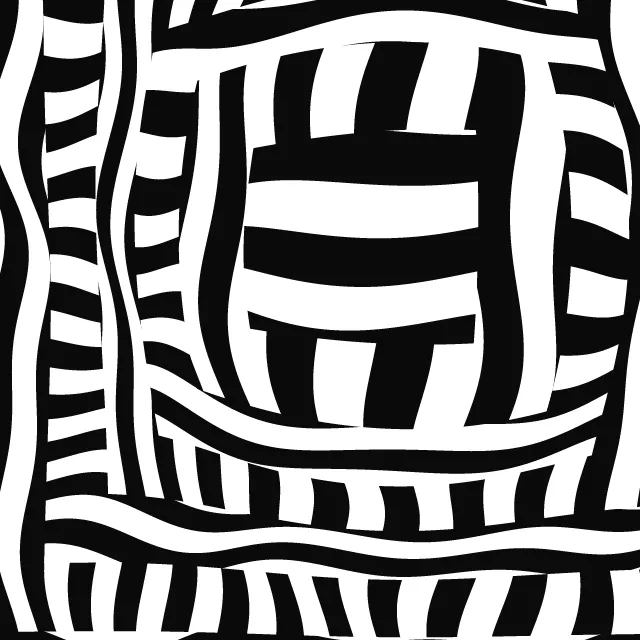
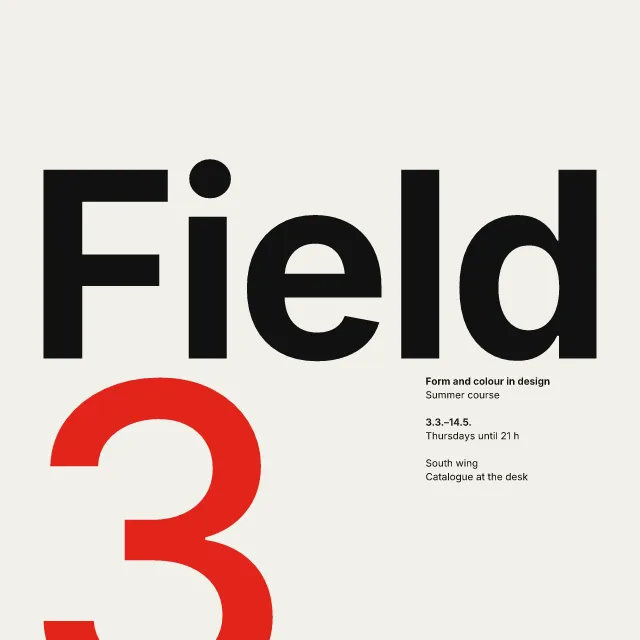
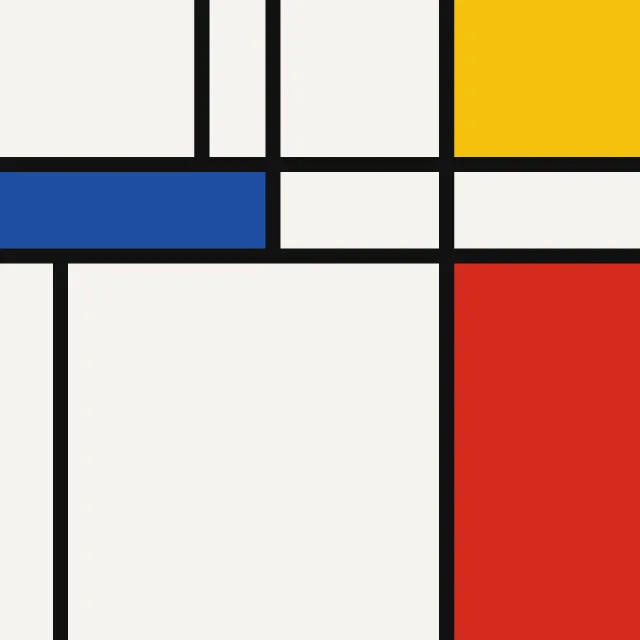
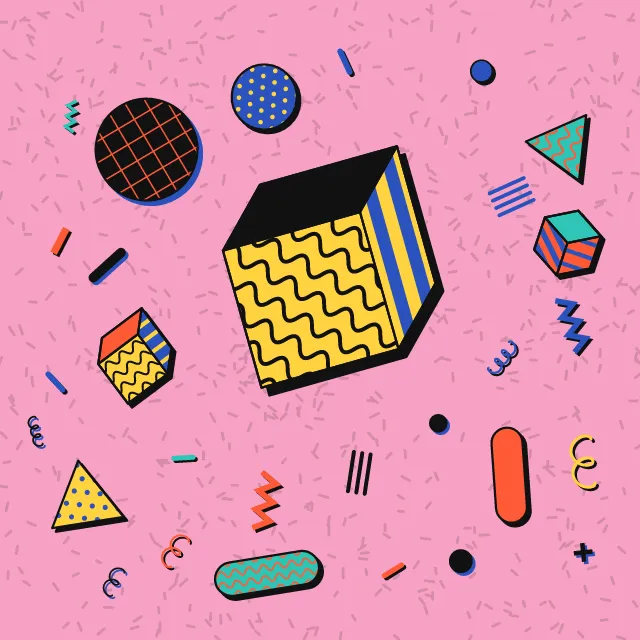
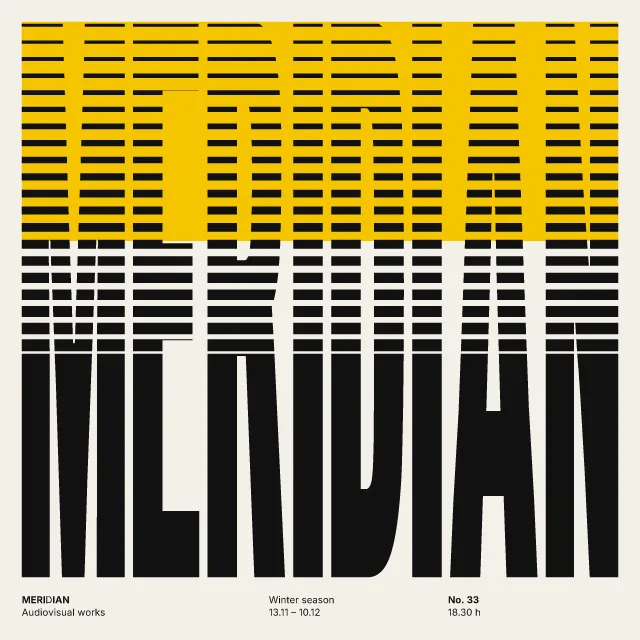
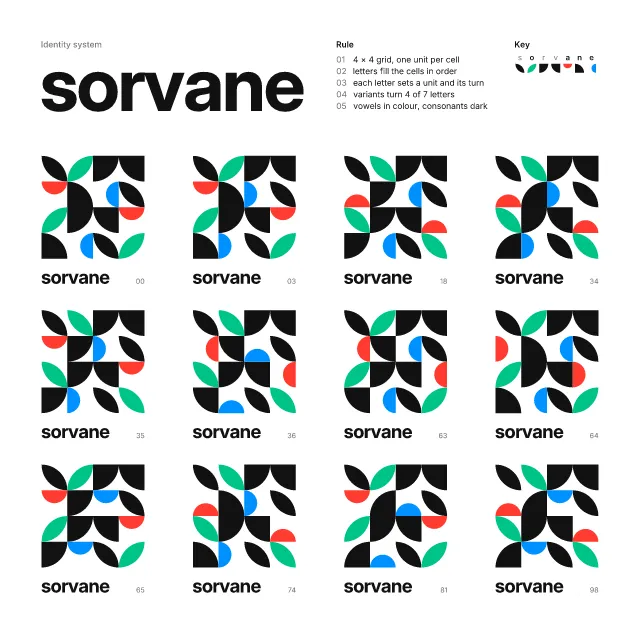
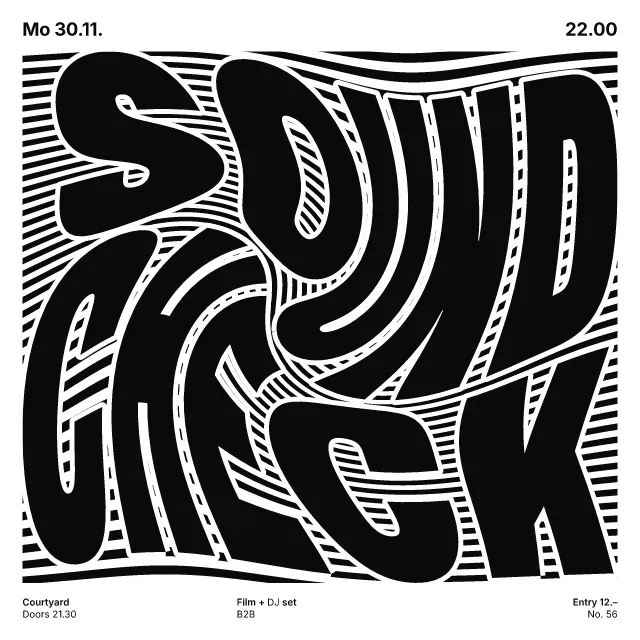
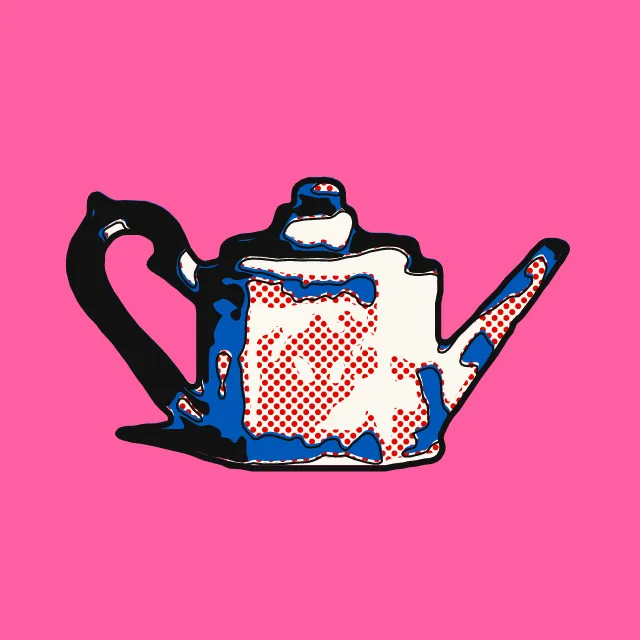
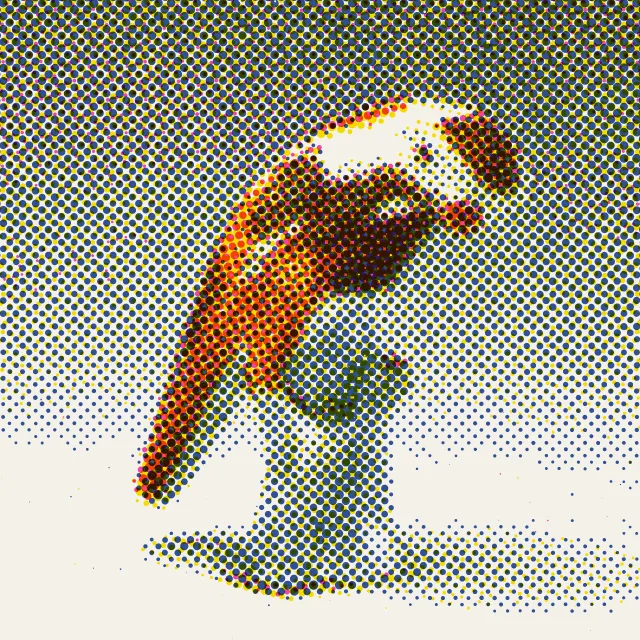
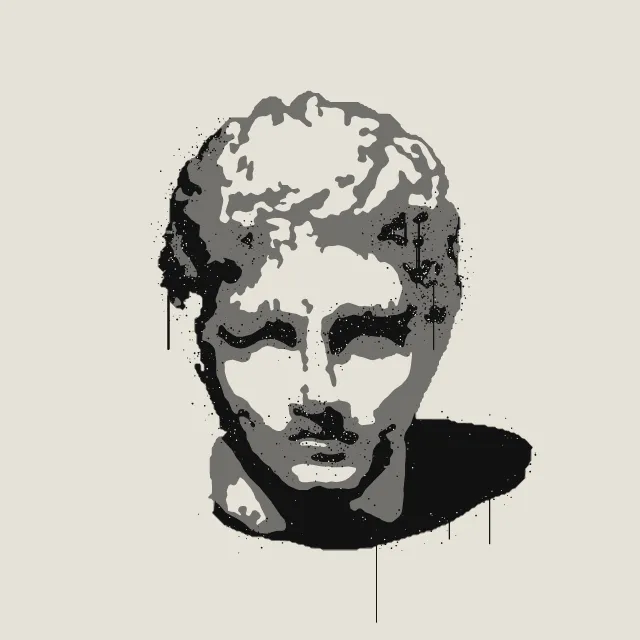
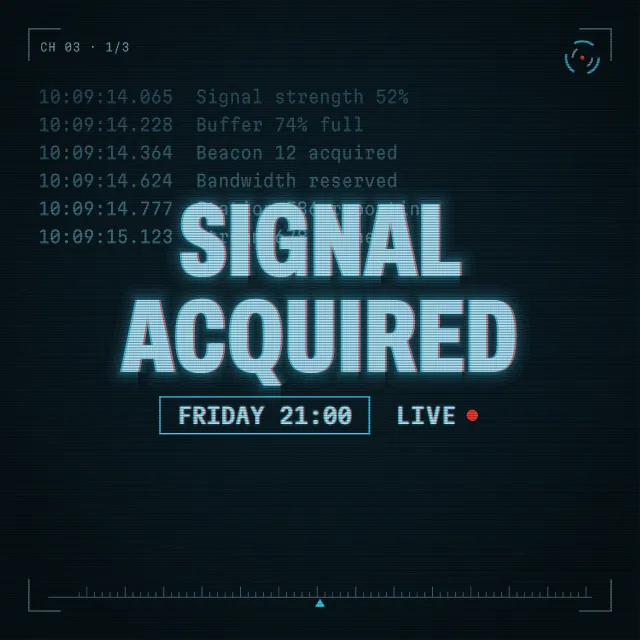
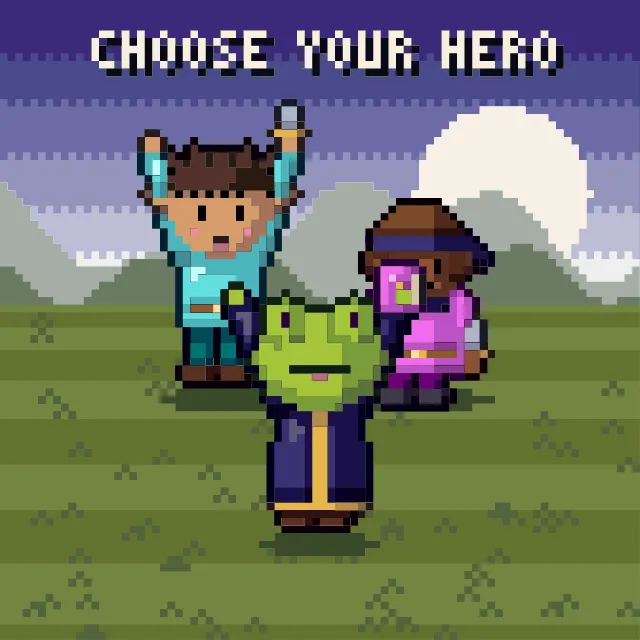

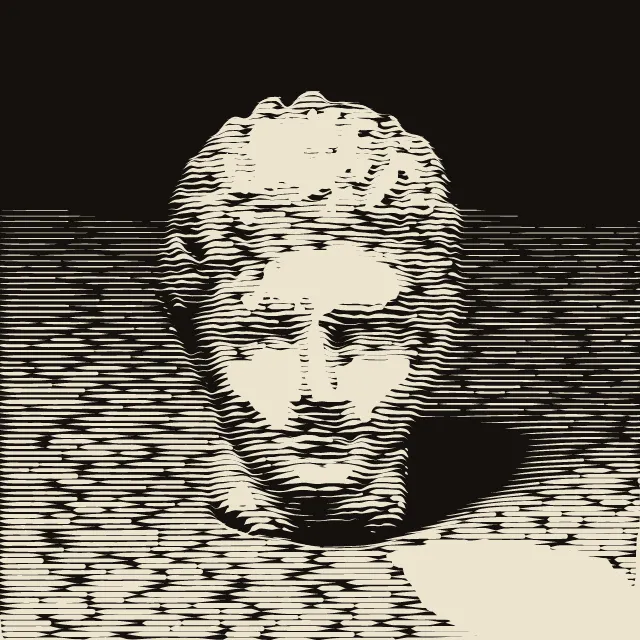
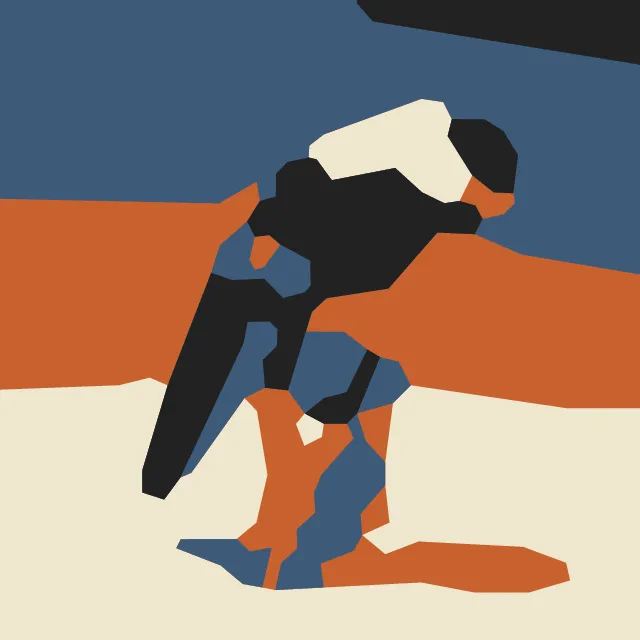
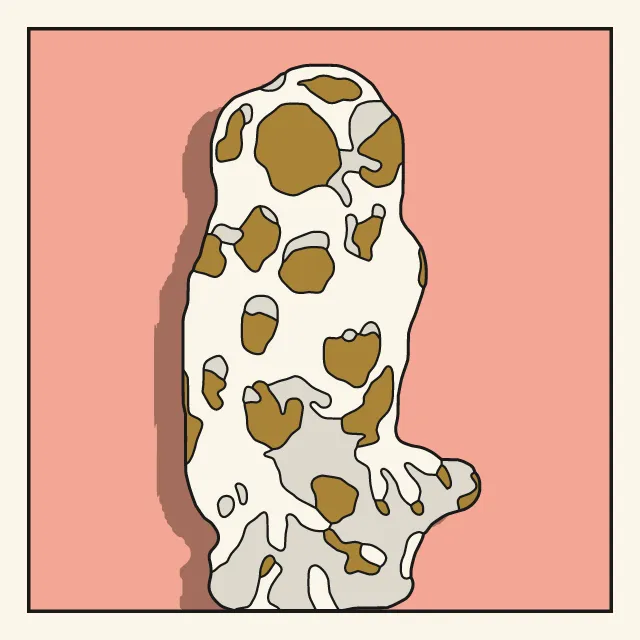
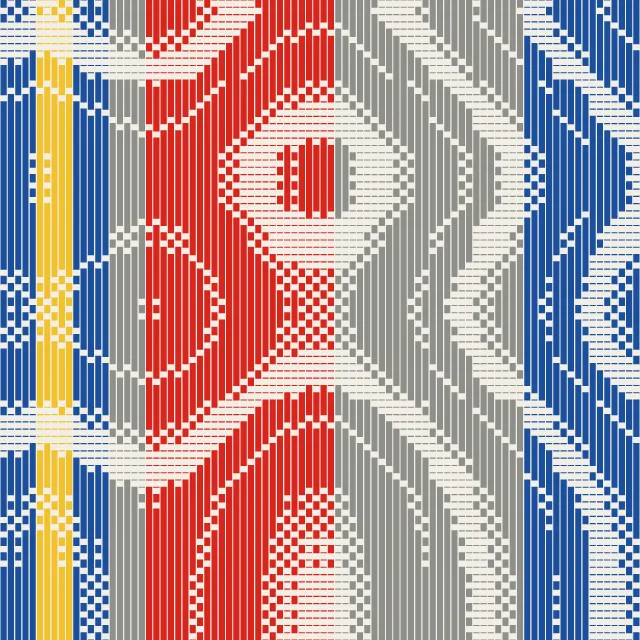
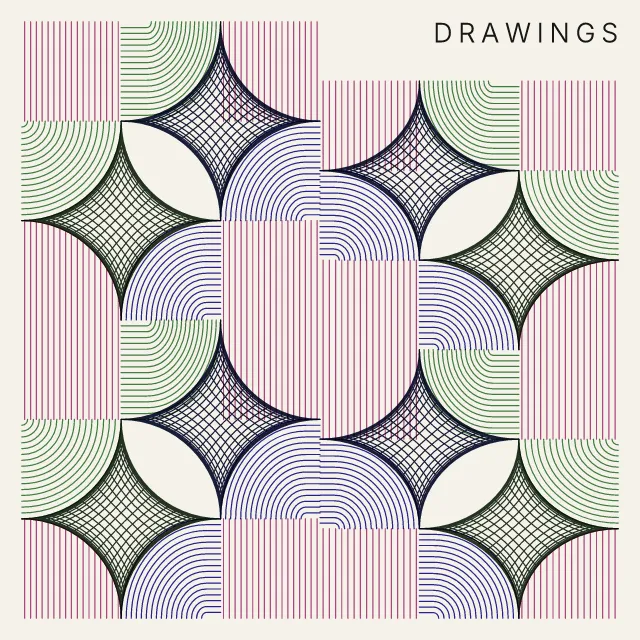
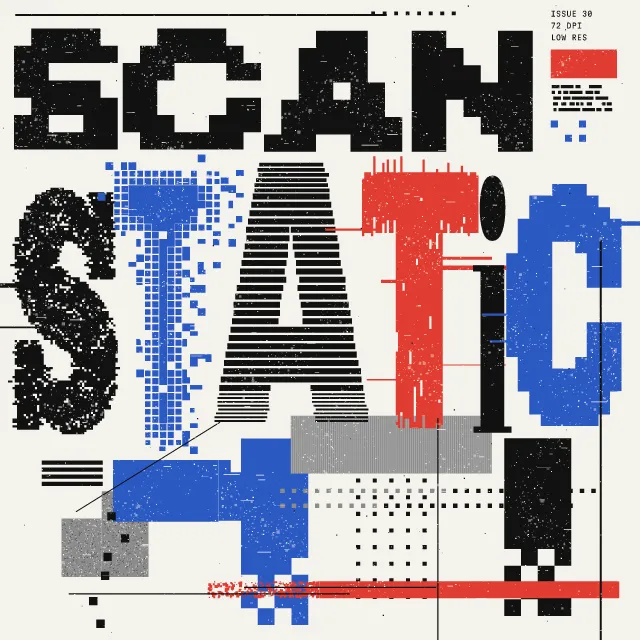

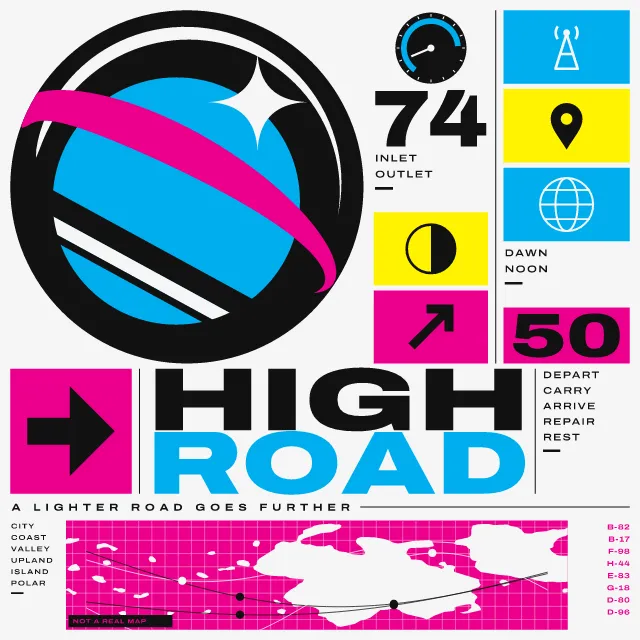
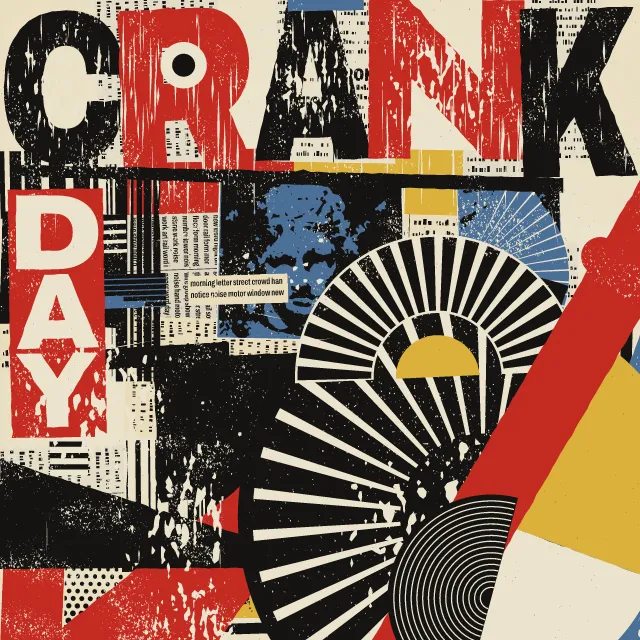
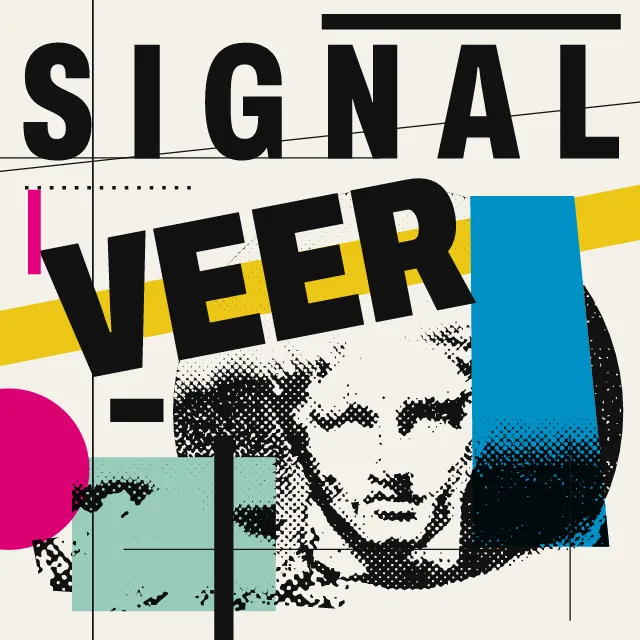
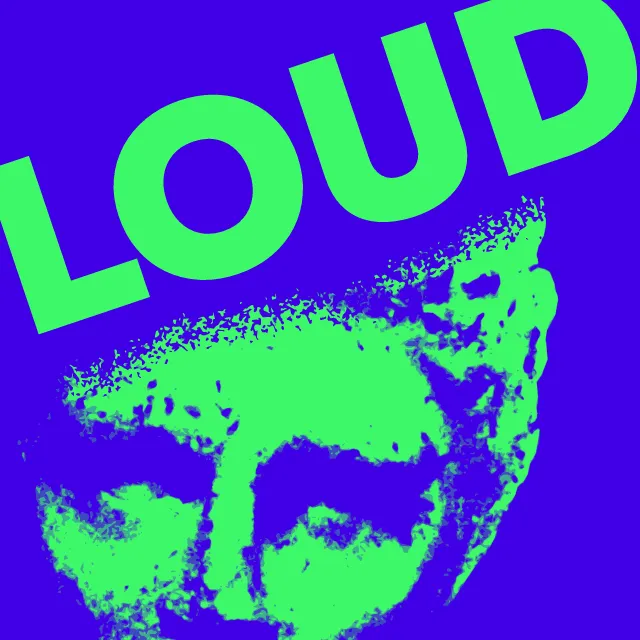
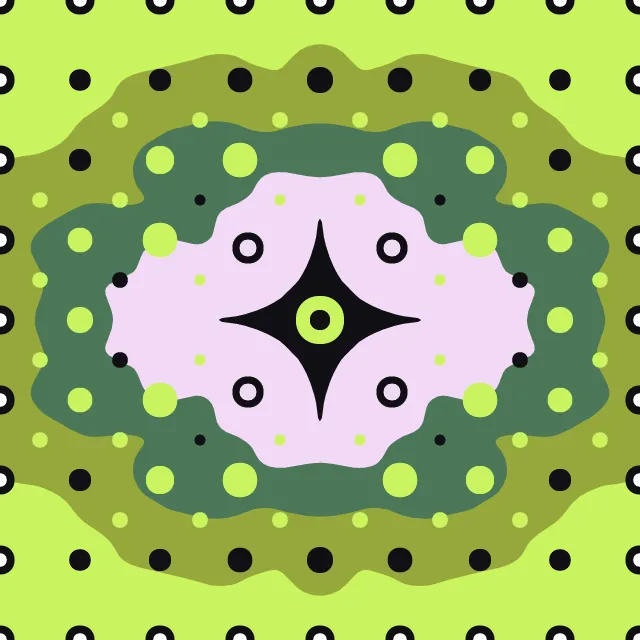
Your photo melted into many bands of vibrating flat colour, with echo rings in the ground and your words swollen to fill a shape. The photo stays on your device.
What makes it Psychedelic
These are the design choices this generator makes or lets you set. Where a choice says “Measured”, Morphogeny changed that control alone, kept everything else, and measured the picture: a number that moves with the choice, not proof that the picture reads as the style.
- Sinuous, energetic S-curves. “Flow”: Whiplash.
- Elements radiate from, or orbit around, a centre. “Flow”: Swirl.
- Repeated lines and modules that vibrate or warp perception. “Flow”: Ripple.
- Elongated, warped or grotesque figures. Set by “Distortion & exaggeration”.
- Many saturated hues at once. “Colour”: Full polychrome. Measured on the opening picture with “Full polychrome”: hues besides black, white and grey 4.
- Vibrating opposites placed edge to edge. “Colour”: Complementary clash.
- Day-glo inks and RGB brights. “Colour”: Fluorescent.
- Smooth blends, fades or spectral ramps. Set by “Split fountain”.
- Every area is filled; abundant, crowded, layered. Set by “Horror vacui”. Measured on the opening picture, off to on: shapes 91 → 114.
- Stretched, fragmented, layered or deliberately hard-to-read letters. Set by “Experimental & distorted”.
- Duotone, high-contrast or posterised photographs. Always.
- Text and image follow curving, natural paths instead of a grid. Always.
- Soft, cell-like, plant-like forms. Always.
- Unmodulated areas of colour. Always.
- No simulated depth or texture. Always.
How this generator works
- The photo’s tones become many nested bands, cut along their outlines and filled with flat inks of near-equal value, so the edges between them vibrate.
- Every outline, the echo rings in the ground and the words are bent through one smooth flow (a whiplash stream, a swirl, a melt or a ripple), so the picture reads as one liquid surface.
- Words are set wide and heavy and swollen to fill a shape, then melt with the picture.
What it never does:
- No copy of any poster, artist’s lettering or venue: the words are the visitor’s own, and no default names an event.
- No embedded photo: every colour is a cut shape, and the photo never leaves the visitor’s device.
- Motion only breathes the flow around its still, a few units either way, so crowded bands never flicker.
Every picture is a recipe: the variation number and the settings, kept in the page's address. Copy the link and the same picture comes back, in any browser. Random (or R) draws a new variation; ← and → step through them; S shuffles the settings; C borrows another style's colours.
About Psychedelic Poster
Psychedelic posters came out of the counterculture of the mid-1960s, from the ballrooms of San Francisco and the underground press of London. Letters melted and swelled until they filled whole shapes, the curves of Art Nouveau and the Vienna Secession returned at hallucinatory strength, and fluorescent or complementary colours were set side by side so that the edges vibrated. Reading one was meant to be slow: the poster held you while you worked it out.
This generator treats your photo the same way. Its tones become many nested bands, cut along their outlines and filled with flat inks of close value, so the edges between them shimmer. Every outline, the echo rings in the ground and your words are bent through one smooth flow (a whiplash stream, a swirl, a melt or a ripple), so the whole picture reads as one liquid surface.
With animation on, the flow keeps moving and the loop ends where it began. It stays slow and below the flash limits. Your photo is read only in your browser and is never uploaded.
Psychedelic Poster: 1965–1973. What the controls mean: Help.
Use it from code
The recipe below draws the picture this page opens with. Copy recipe gives you the one on screen. Agents can render recipes to SVG or PNG through Morphogeny's MCP server (morphogeny_render); the same recipe always gives the same SVG.
{
  "tool": "psychedelic",
  "v": 1,
  "seed": 1,
  "format": "portrait",
  "params": {
    "flow": "whiplash",
    "strength": 0.45,
    "bands": 7,
    "colour": "polychrome",
    "split": false,
    "aura": true,
    "text": "",
    "lettering": "swell"
  },
  "palette": "psychedelic"
}
Open this recipe: /psychedelic/#seed=1&v=1. A plain-text version of this page:/psychedelic.md.