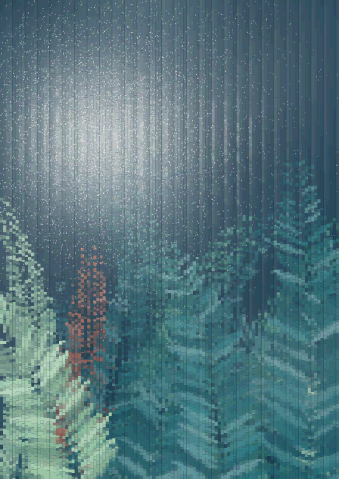
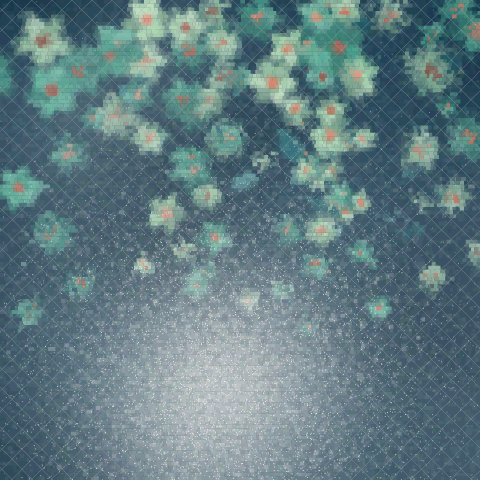
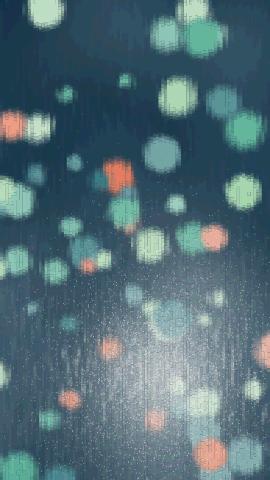
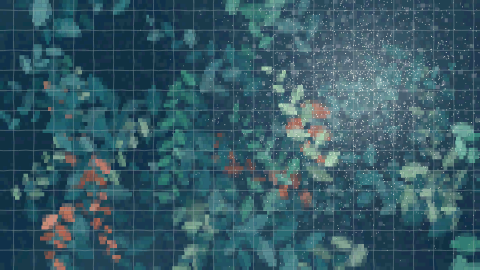
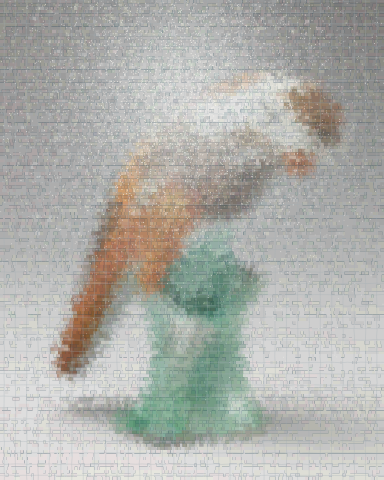
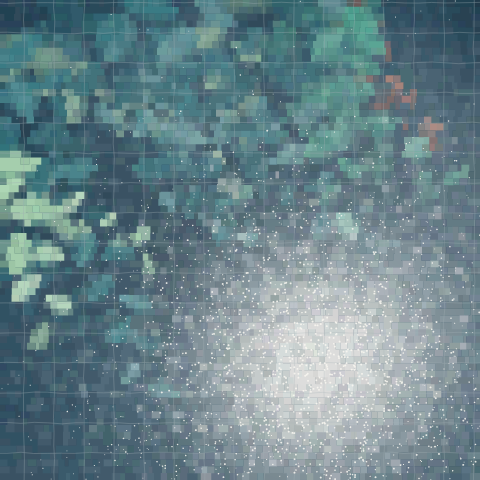
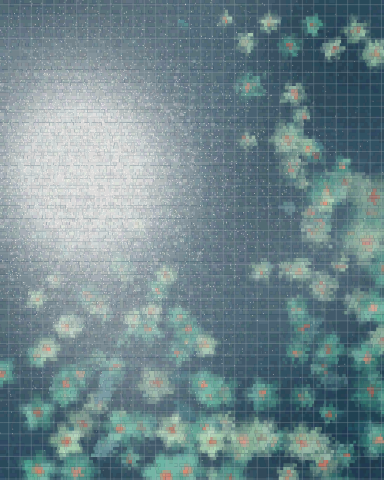
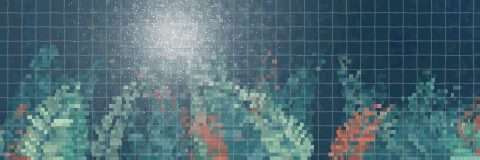
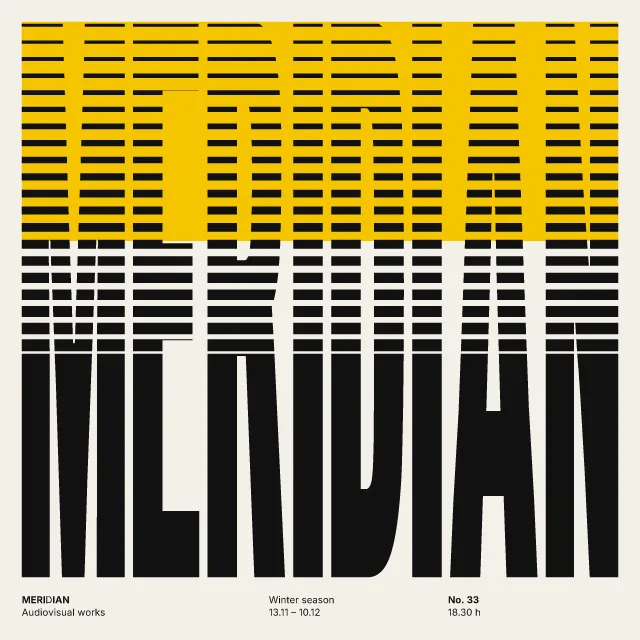
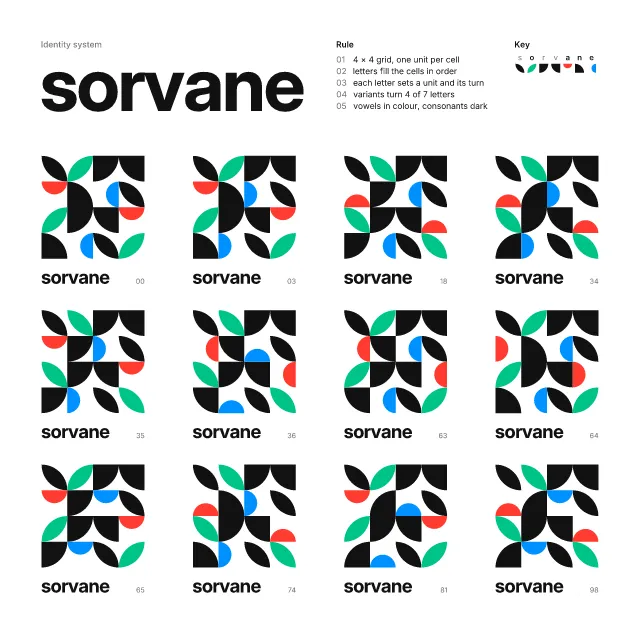
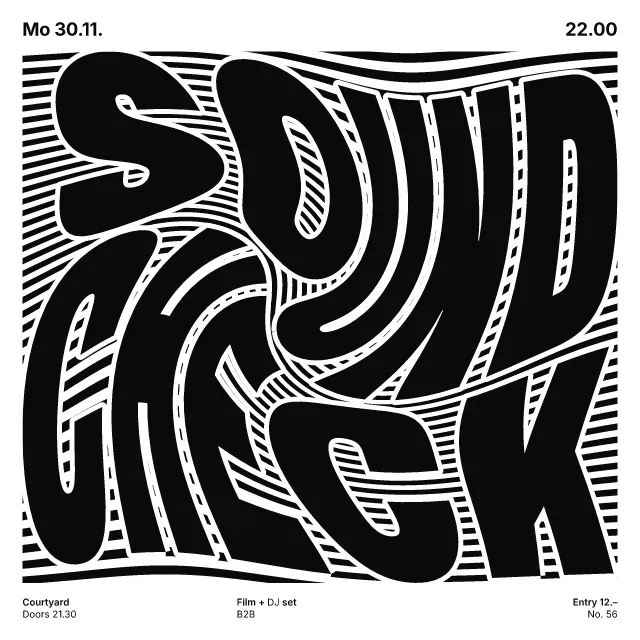
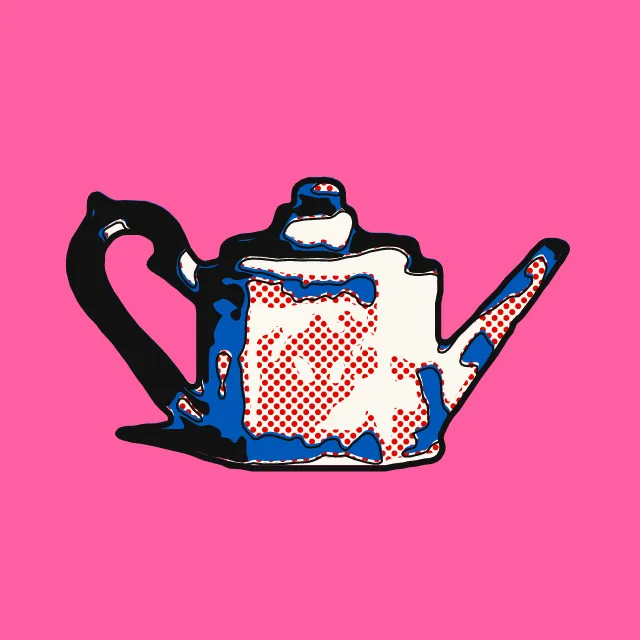
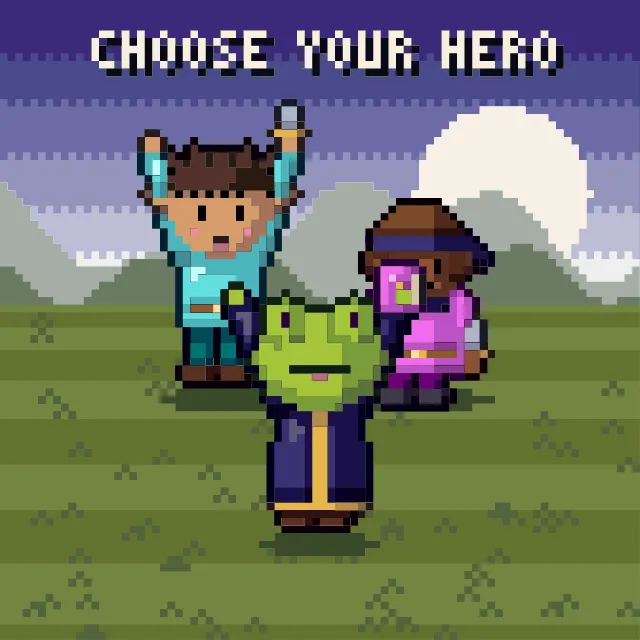
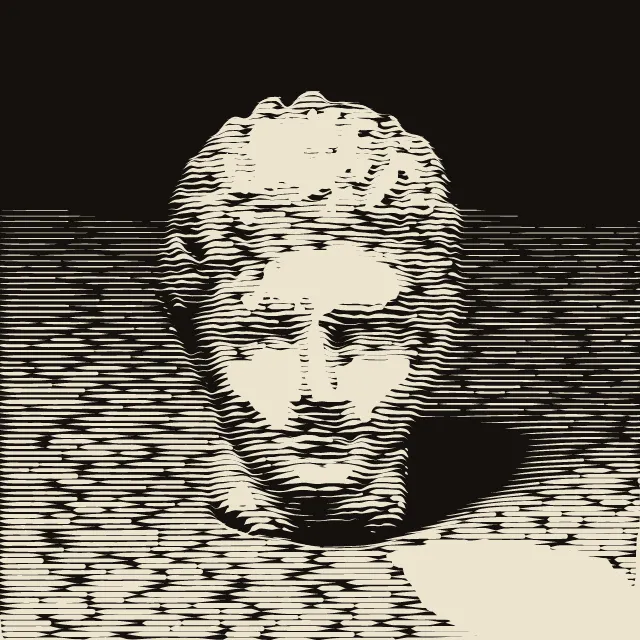
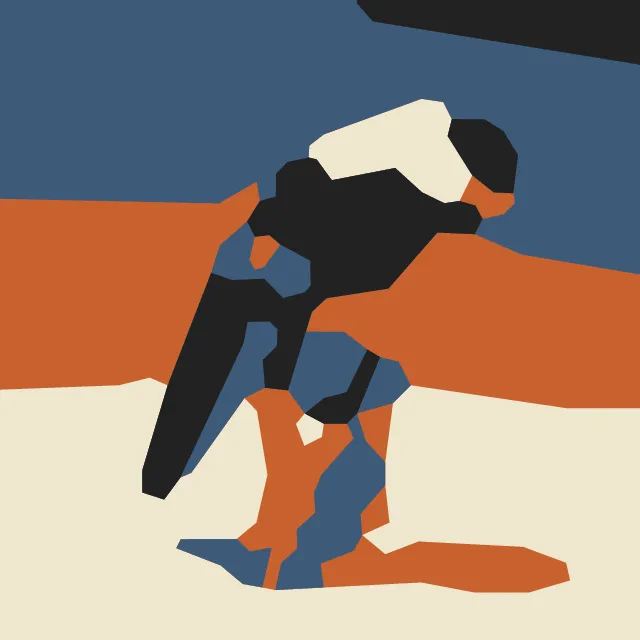
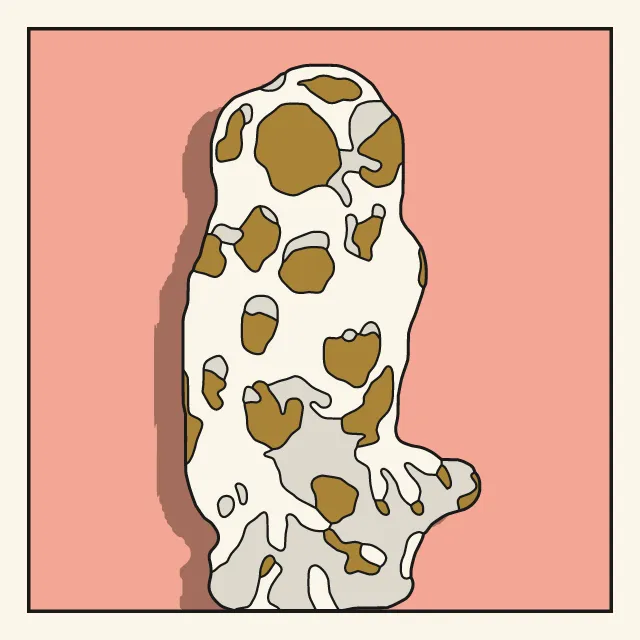
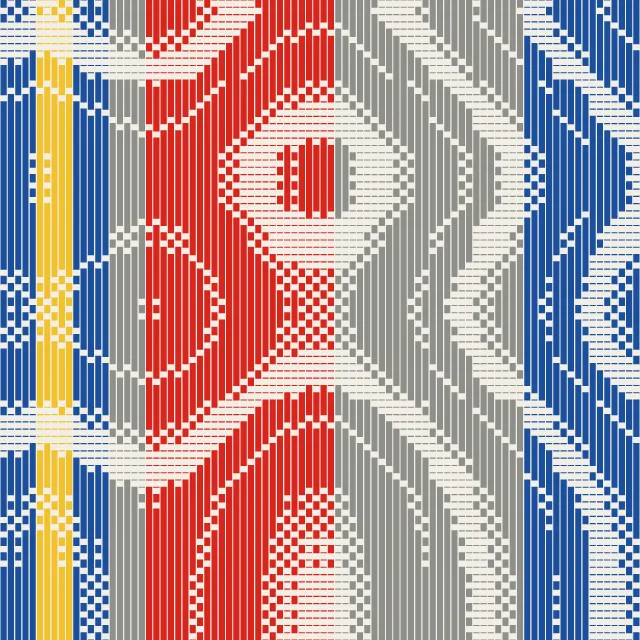
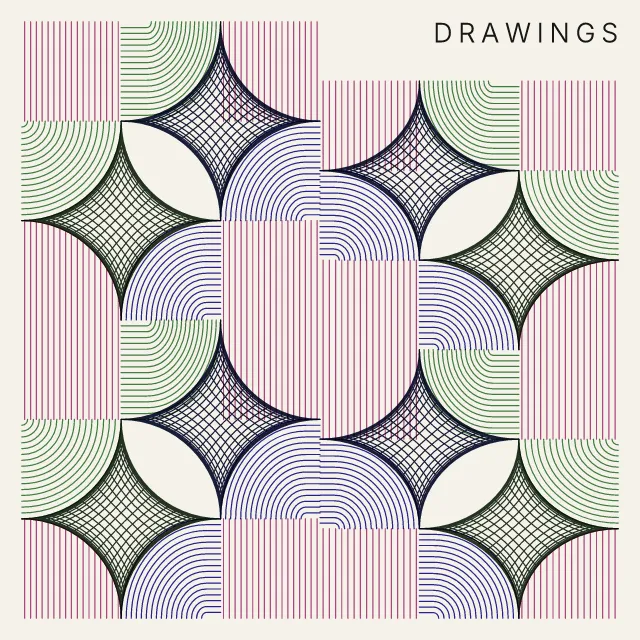
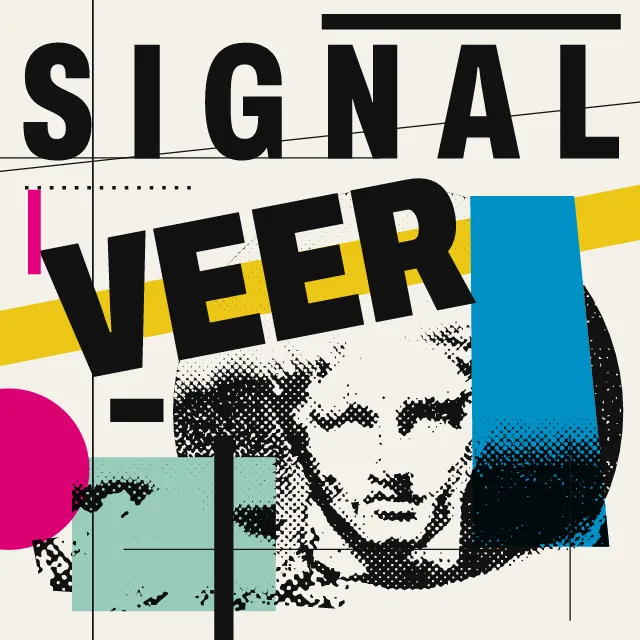
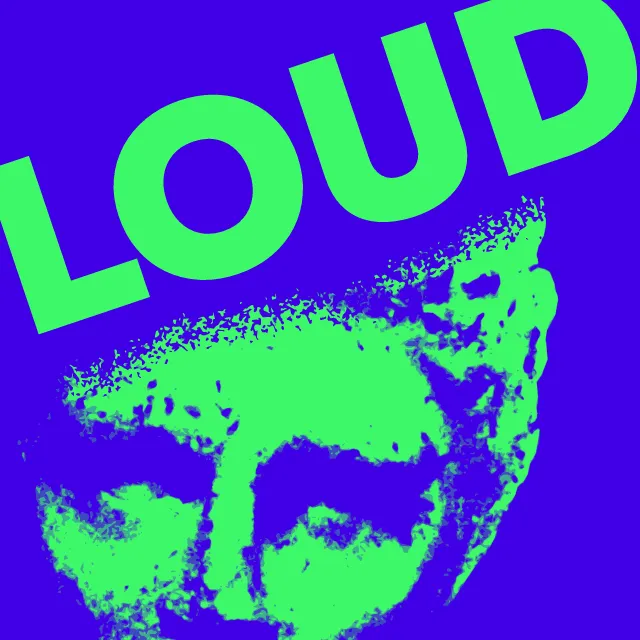
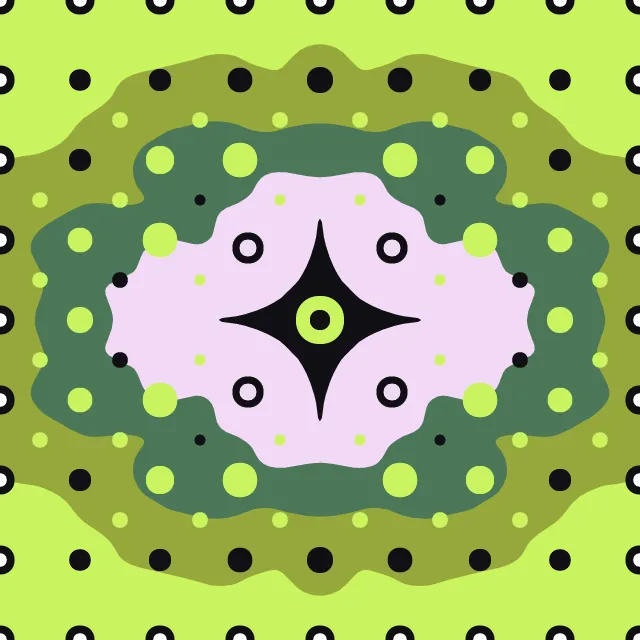
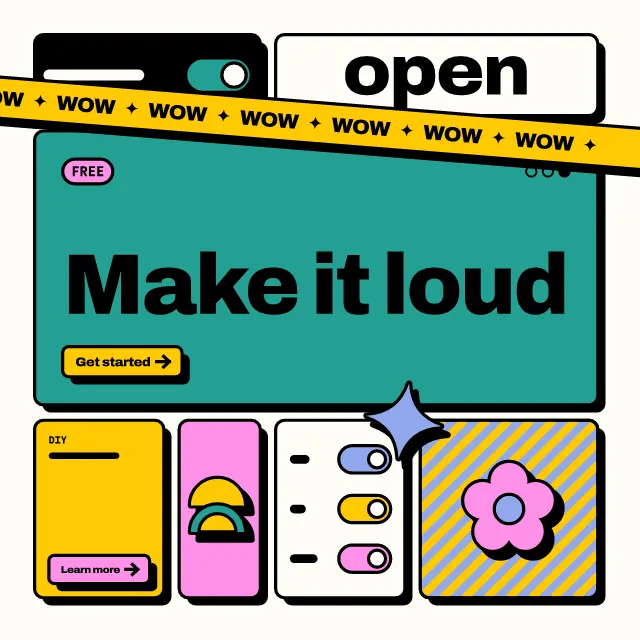




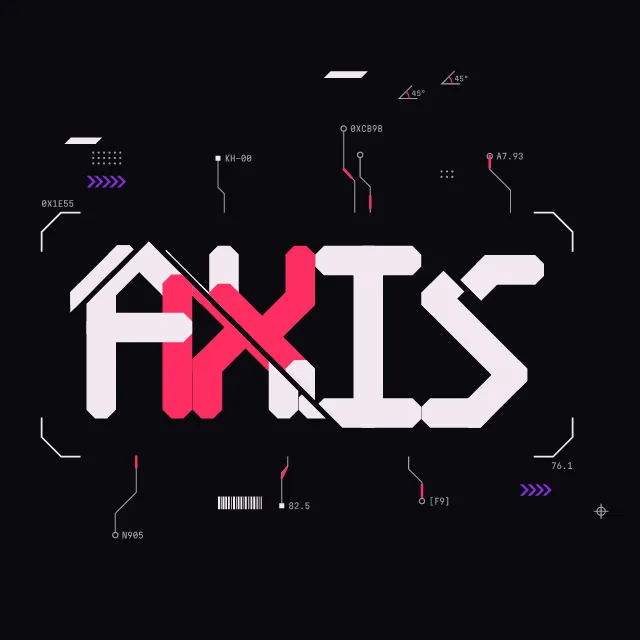
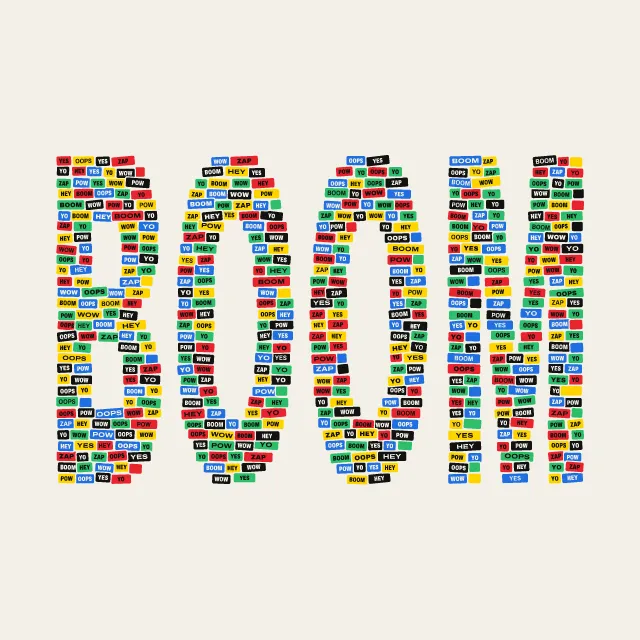
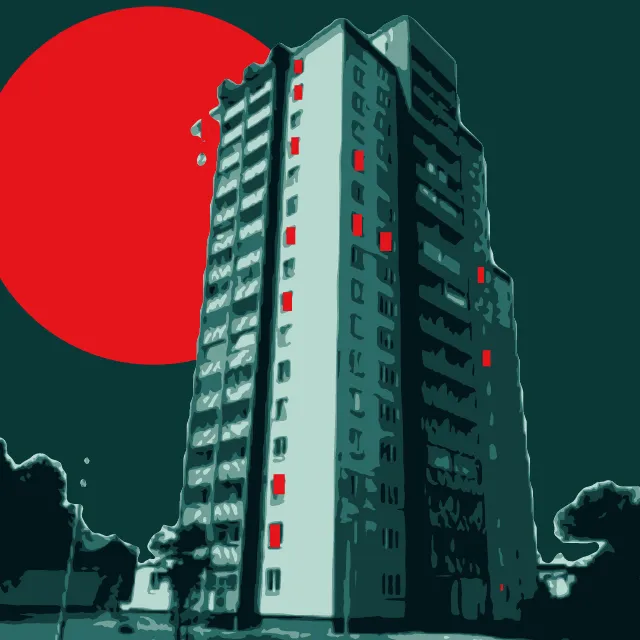
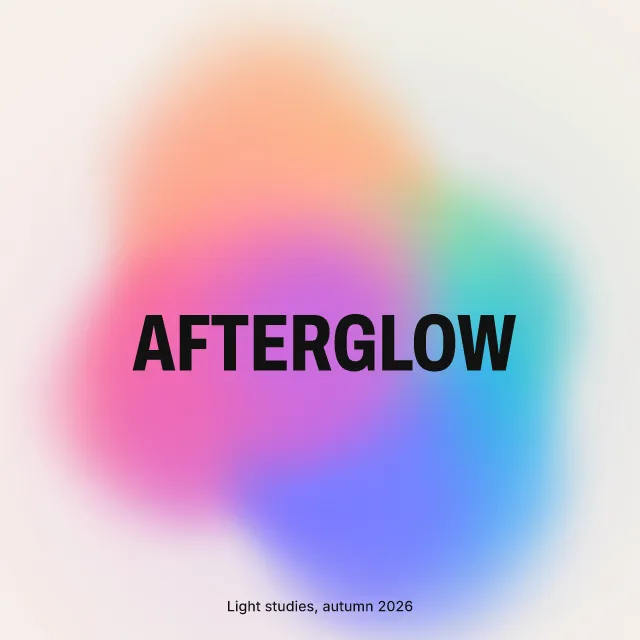
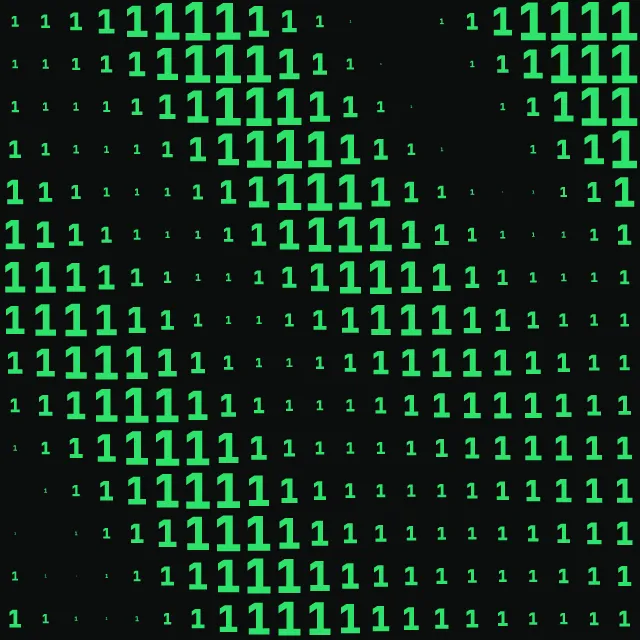

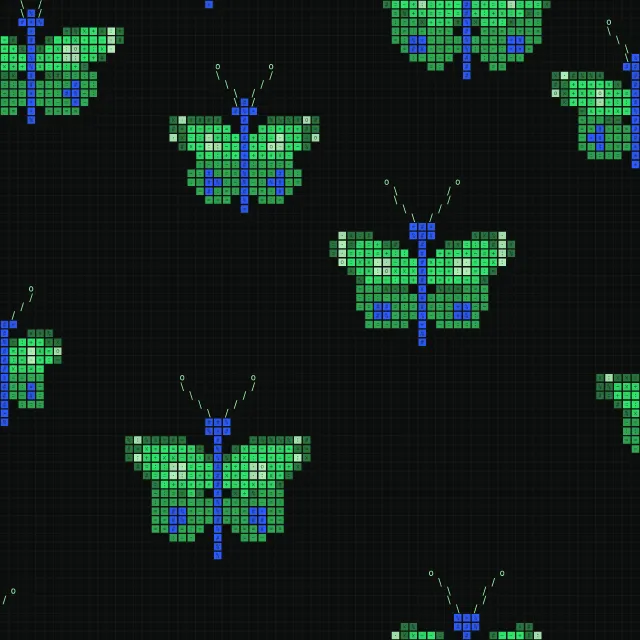
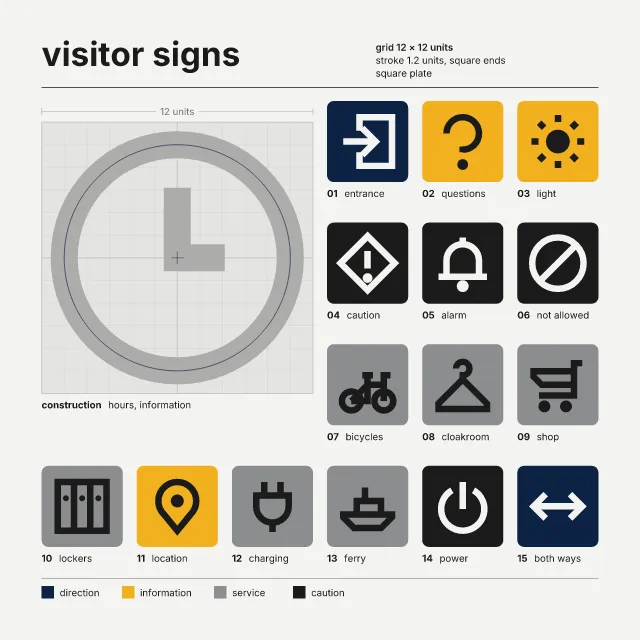

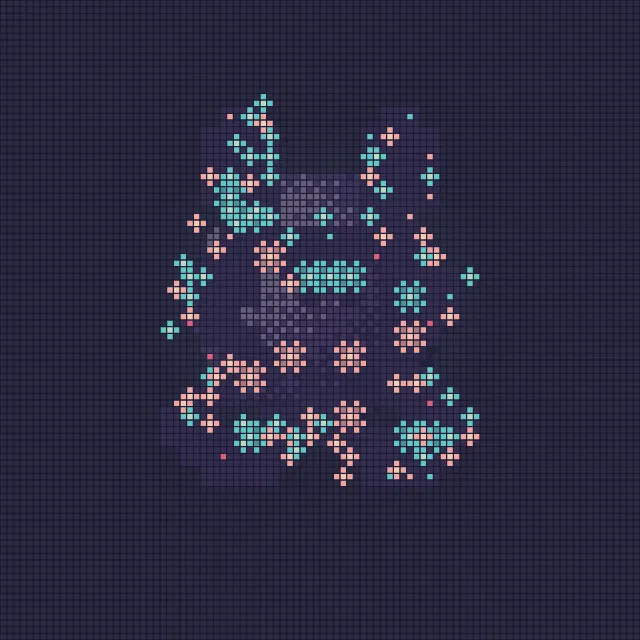
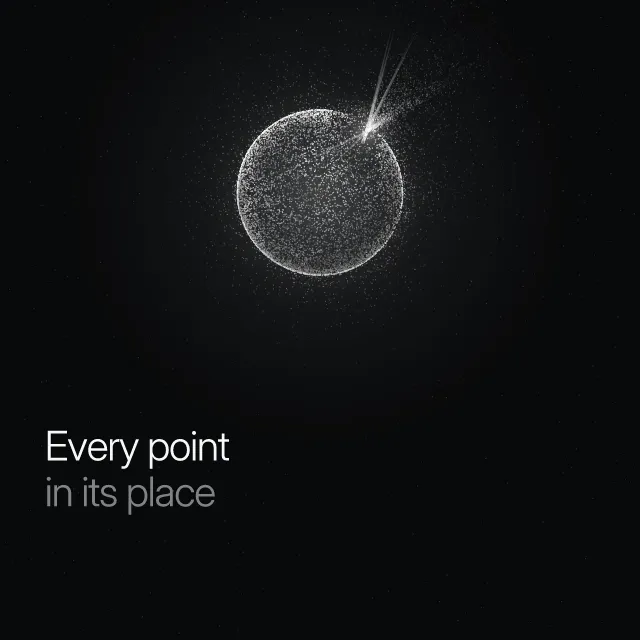

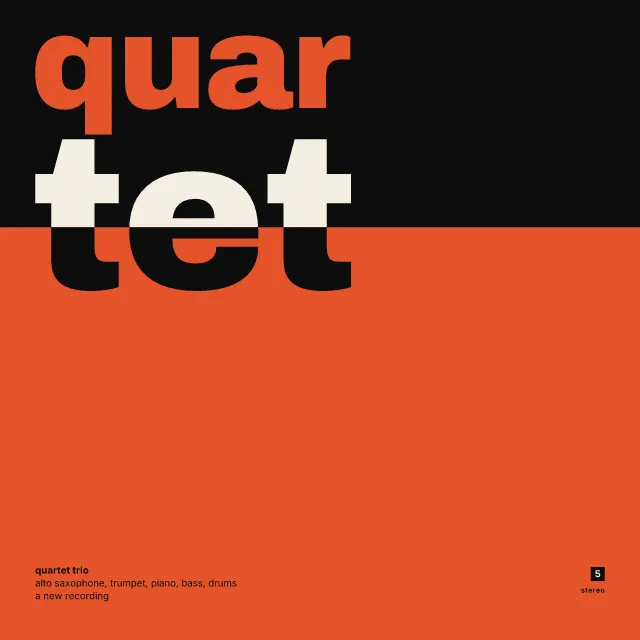
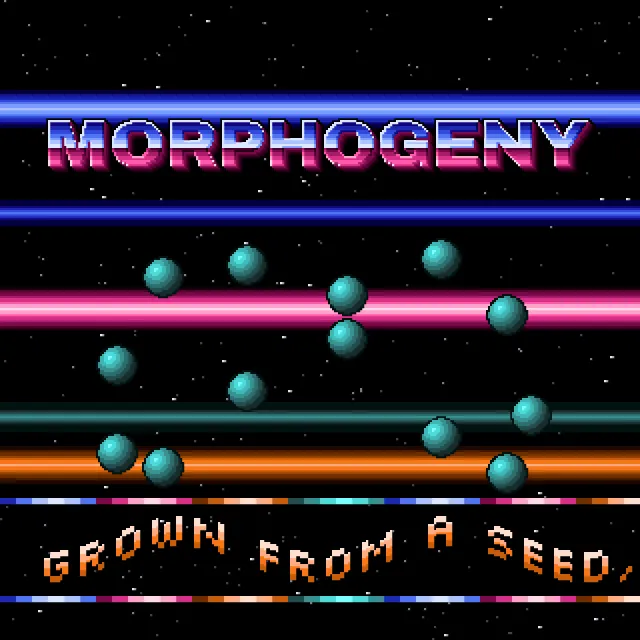
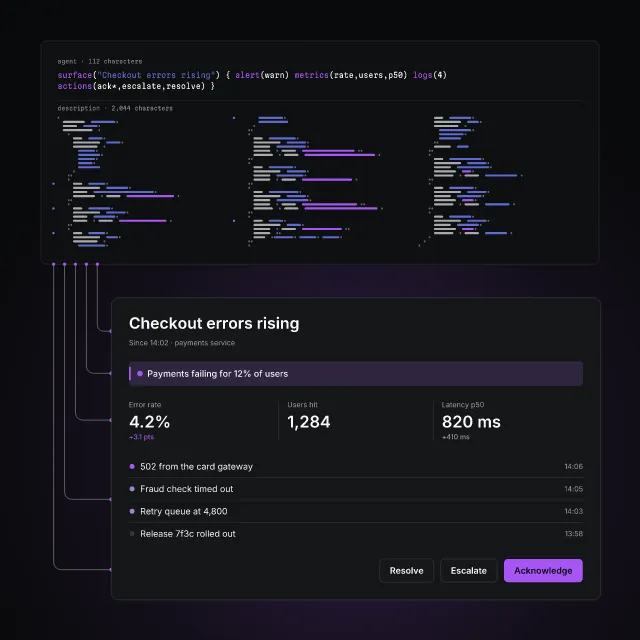
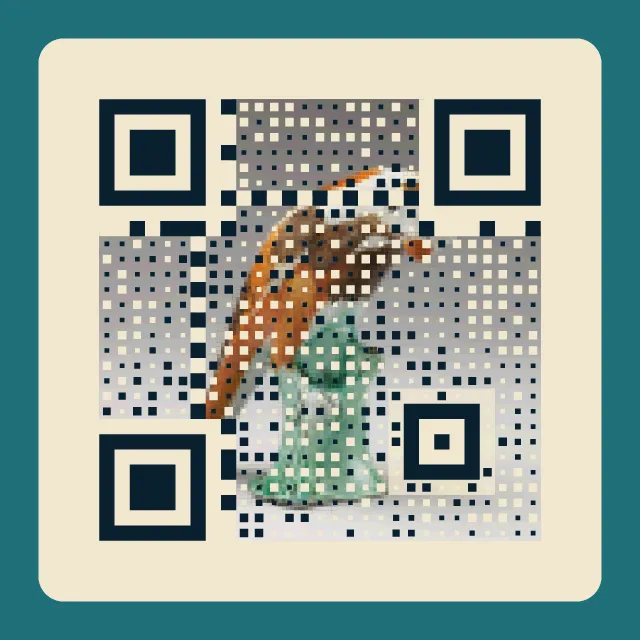
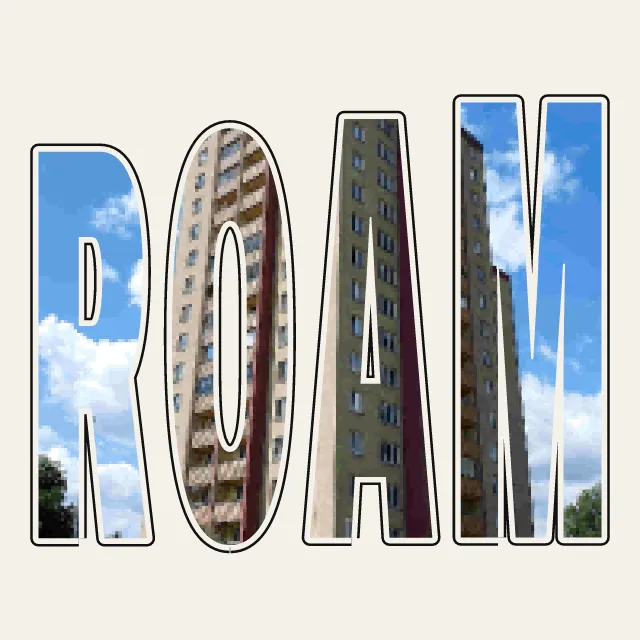
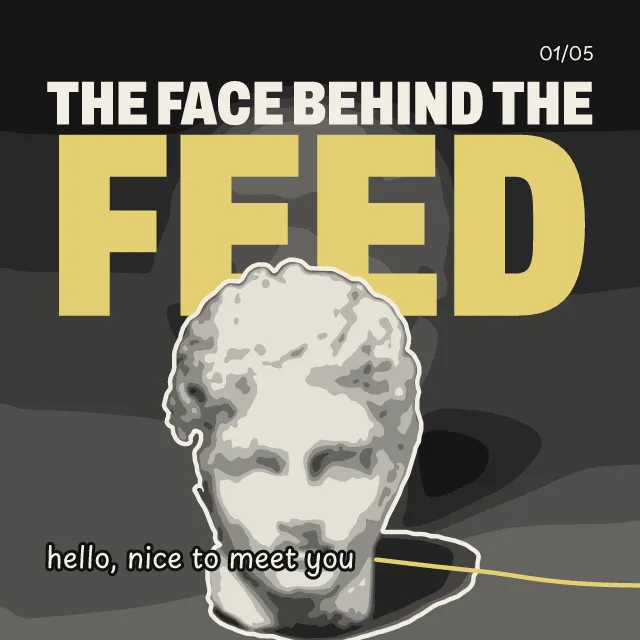

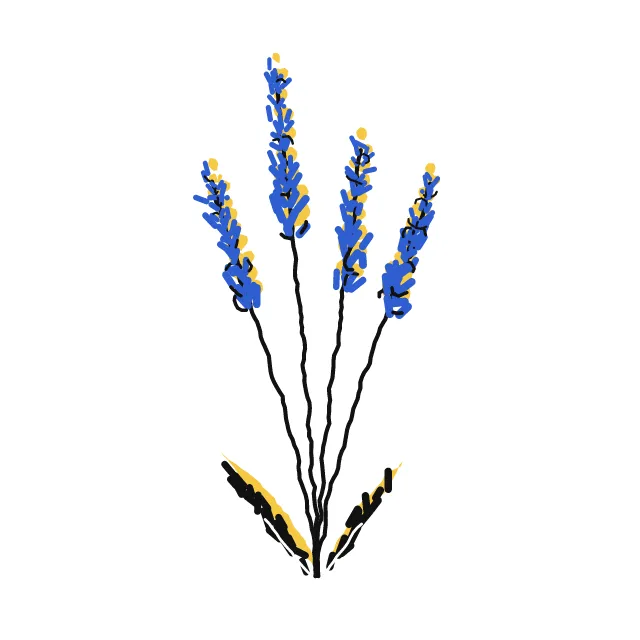
Plants seen through a pane of patterned safety glass. Each pebble is a small facet, a wire mesh is cast in, and a lamp drifts over the relief.
What makes it Wired glass
These are the design choices this generator makes or lets you set. Where a choice says “Measured”, Morphogeny changed that control alone, kept everything else, and measured the picture: a number that moves with the choice, not proof that the picture reads as the style.
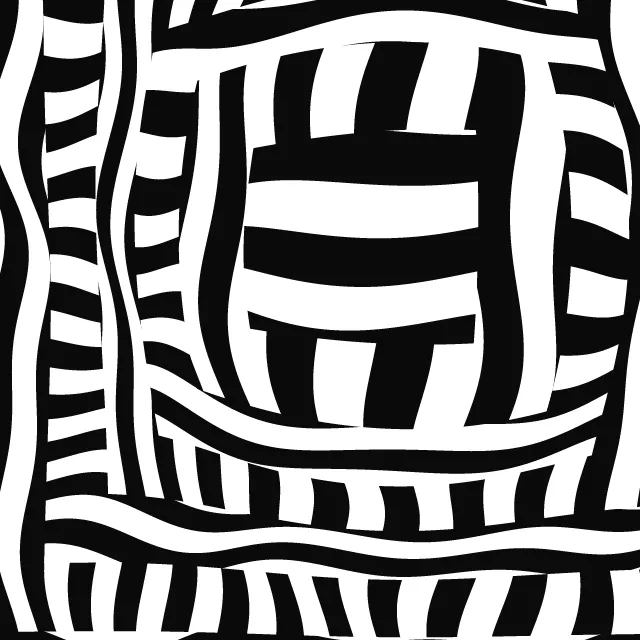
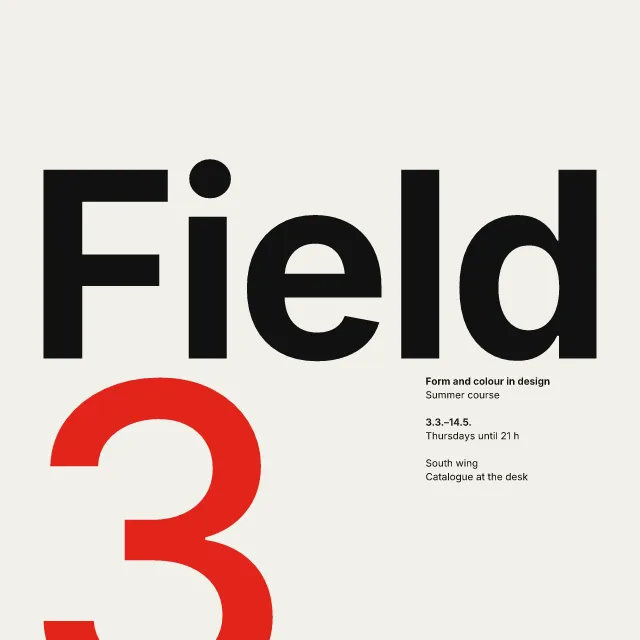
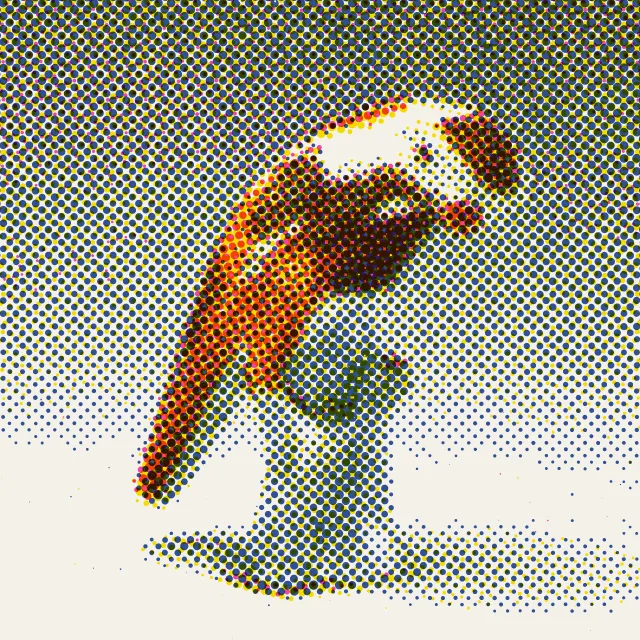
- Film grain, riso speckle, dithering noise. Set by “Grain & noise”.
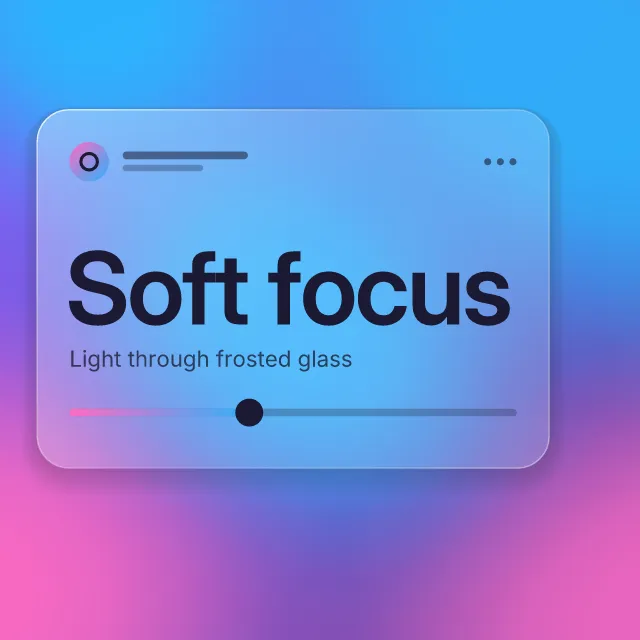
- Translucent layers over blurred backdrops. Set by “Frosted glass”.
- Specular highlights, wet plastic, bubbles. Set by “Gloss & highlights”.
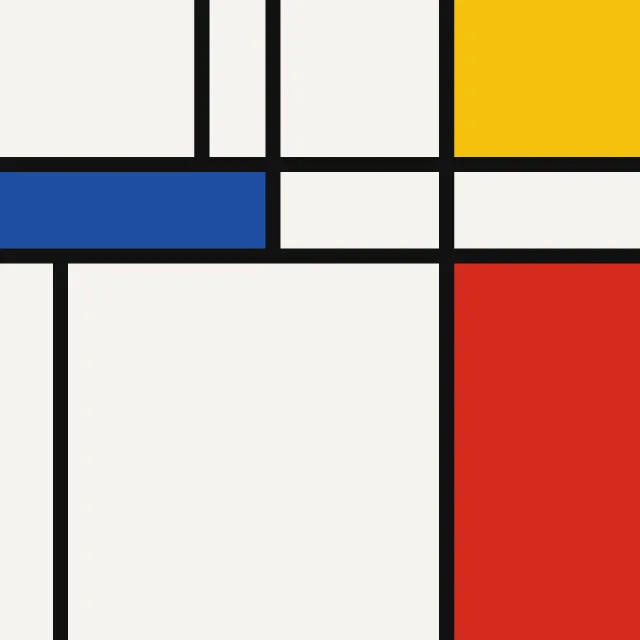
- Fields defined by rows and columns; every element snaps to modules. Set by “Modular grid”.
- Leaves, vines, flowers, acanthus. “Behind the glass”: Leaves.
- Duotone, high-contrast or posterised photographs. “Behind the glass”: Your photo.
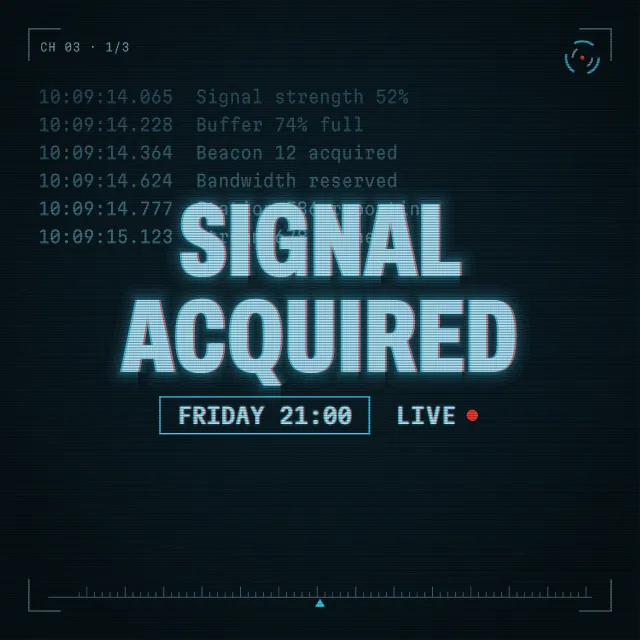
- Animated, time-based work: titles, broadcast, video. Set by “Motion & broadcast”.
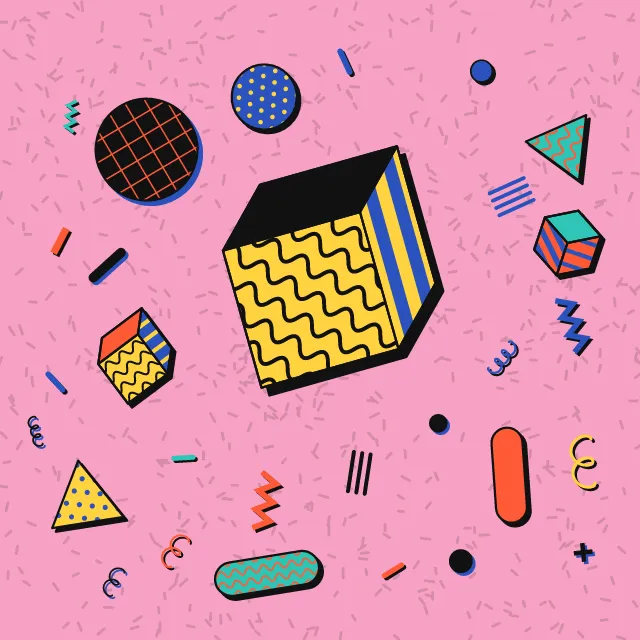
- Perspective, overlap, shadow or parallax create a z-axis. Always.
- Image or colour runs off every edge; no protective margins. Always.
- Soft, cell-like, plant-like forms. Always.
- Quiet, slow, meditative. Always.
How this generator works
- The pane is a mosaic of small flat facets laid like uneven bricks, one for every pebble of the glass; each shows what is behind it a little to one side, further the deeper that stands, so what touches the glass keeps its shape and what stands back breaks up.
- One lamp in front of the pane lights the frost, shades every facet by the way it leans and glitters in the pebbles round it.
- A wire mesh is cast into the glass; behind hammered and rain glass it wavers with the facets it is seen through.
What it never does:
- No embedded picture: every facet is one flat vector shape, also with your own photo behind the pane.
- No window frame, handle, room or view: only the pane and what stands behind it.
- It moves forwards only: the lamp goes once round and a gust passes through the plants; nothing flickers.
Every picture is a recipe: the variation number and the settings, kept in the page's address. Copy the link and the same picture comes back, in any browser. Random (or R) draws a new variation; ← and → step through them; S shuffles the settings; C borrows another style's colours.
About Glassmorphism
Interfaces have borrowed frosted glass since the 2000s, and since 2020 the look has had a name, glassmorphism. The material is older. Glassworks have rolled patterns into panes since the nineteenth century, so that light comes through and the view stays private, and from the 1890s they cast a steel mesh into some of them.
This generator builds such a pane in front of a garden. The glass is a mosaic of small flat facets, one for each pebble. Every facet leans its own way and shows the leaves behind it slightly to one side, so a leaf that touches the glass stays sharp and one further back breaks up. A lamp in front lights the frost and glitters in the pebbles around it.
Every facet is a flat vector shape and no picture is embedded. The same recipe always draws the same pane.
Glassmorphism: 2020–today. What the controls mean: Help.
Where wired and patterned glass come from
Patterned glass is made by passing a ribbon of soft glass between two rollers, one of which carries a pattern. The pattern bends the light on its way through. A room behind it still gets daylight, and from outside you see colours and movement without any detail. Bathrooms, front doors, stairwells and office partitions have used it for well over a century.
Wired glass adds a mesh of thin steel wire, fed into the glass while it is still soft. Makers sold it from the 1890s as a pane that holds together in a fire, because the wire keeps the pieces in place when heat cracks the glass. That put it in factory roofs, school doors and lift shafts, where many people still walk past it daily.
The common patterns have trade names that vary by maker, so this generator calls them by what they look like. Hammered glass has small pebbles all over. Reeded glass has upright ribs, each working as a narrow lens. Rain glass runs in long vertical streaks, and etched glass has an even frost with no pattern to see.
How this generator builds the pane
The sheet is laid with small facets the way a wall is laid with bricks. They sit in courses, each facet has its own length, and every course starts at a point of its own. In hammered and etched glass the courses lie flat, and in reeded and rain glass they stand upright.
In hammered and rain glass a slow noise gives each facet a lean, so neighbouring facets lean almost the same way, as the pebbles of real glass do. Reeds lean away from their middle, and etched glass leans at random. A leaning facet shows what is behind it from a point to one side. How far to the side depends on how deep that thing stands, which is why near leaves keep their outline and far ones dissolve.
Behind the pane grow stems with leaves, fern fronds or twigs in blossom, or there are lights far off, or your own photo. Plants enter from a corner, from above, from below, from all sides or grow everywhere. Where they come from one side, the lamp starts on the other. Your photo is read in your browser only and never leaves your device.
The lamp does three things. It turns the frost in the glass milky, most where it hangs. It makes a facet lighter when the facet leans towards it and darker when it leans away. And it lights points of glitter, pebbles too fine for a facet, more of them the nearer they are to the lamp.
The wire lies over the facets and under the glitter. Behind hammered and rain glass it wavers slightly, because you see it through the pebbles.
What to make with a pane of textured glass
A pane with little growth and a strong lamp is a calm background for a slide, a landing page or a phone wallpaper, with room for words on the open side. A thicket behind reeded glass makes a cover or a poster on its own. With your own photo behind it, the glass turns a portrait or a product shot into something half seen, which suits a teaser or an announcement.
In motion the lamp travels once round the pane and a gust passes through the plants. The loop runs forwards and closes on itself, so it can play behind a title for as long as you need.
Tips for a good pane
Depth is the control that matters most. Low, the plants press against the glass and read as flat shapes. High, they sink back and their edges dissolve. Somewhere past the middle you get both in one picture, because each stem stands at its own distance.
A dark palette shows the lamp and the wire best. On a light ground the pane reads as a bright window with plants in front of the sky, and the lamp hardly shows, so the plants and the wire carry the picture. Grain sets how many facets cross the sheet. Fewer and larger looks like glass seen from very near, and a fine grain reads almost as a soft photograph.
Use it from code
The recipe below draws the picture this page opens with. Copy recipe gives you the one on screen. Agents can render recipes to SVG or PNG through Morphogeny's MCP server (morphogeny_render); the same recipe always gives the same SVG.
{
  "tool": "wired-glass",
  "v": 1,
  "seed": 3,
  "format": "portrait",
  "params": {
    "glass": "hammered",
    "facets": 130,
    "frost": 0.6,
    "depth": 0.6,
    "gloss": 0.6,
    "wire": "square",
    "mesh": 34,
    "behind": "leaves",
    "grow": "corner",
    "amount": 0.5,
    "move": "both"
  },
  "palette": "low-poly"
}
Open this recipe: /wired-glass/#seed=3&v=1&pal=low-poly. A plain-text version of this page:/wired-glass.md.